The beauty of the living world I was trying to save has always been uppermost in my mind---that, and anger at the senseless brutish things that were being done. I have felt bound by a solemn obligation to do what I could---if I didn't at least try I could never be happy again in nature. But now I can believe I have at least helped a little.
--Rachel Carson, letter to a friend
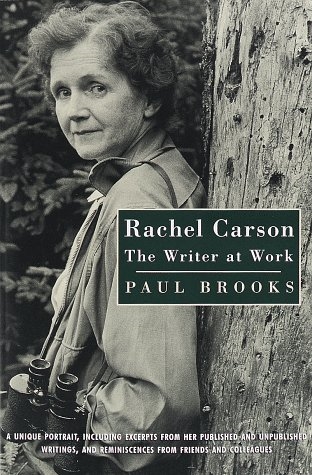
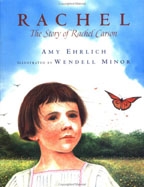
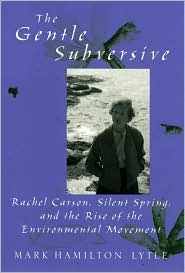
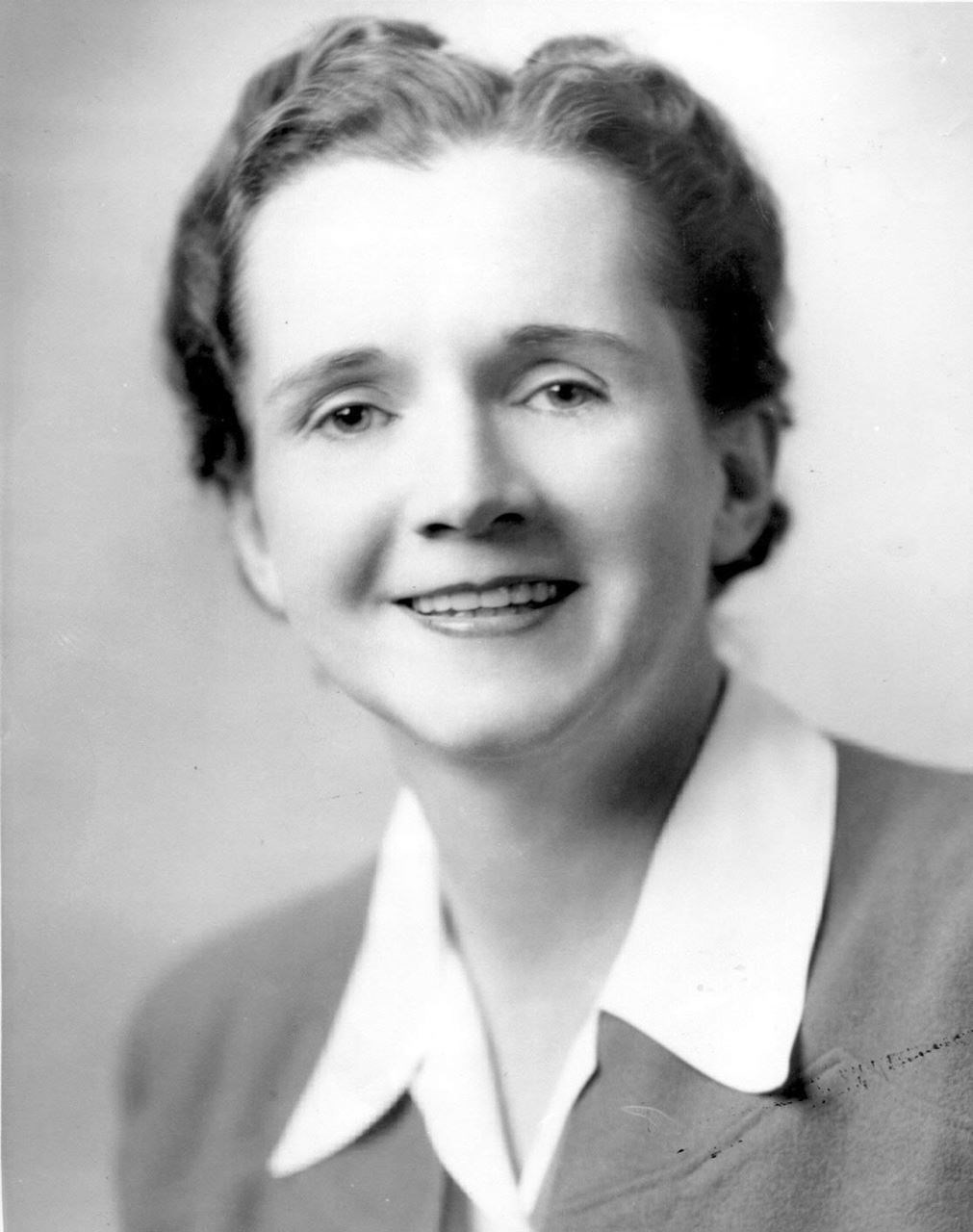 Rachel CarsonU.S. Fish and Wildlife Service Headquarters [Public domain]Rachel Carson (1907-1964) was a scientist, writer, naturalist and, many say, the mother of the environmental movement. Inspired by an outstanding biology teacher at Pennsylvania College for Women (later Chatham College), Rachel switched her major from English to biology. While studying at the Marine Biological Laboratories in Woods Hole, Massachusetts, she fell in love with the sea. By the age of 28, she was writing science radio scripts for the Bureau of Fisheries, which in 1936 led to a full-time job as a junior aquatic biologist. To make ends meet, Rachel wrote feature articles on marine zoology for the "Baltimore Sun." Carson's lyrical style made the scientific facts she penned more accessible. Her eloquent prose led to the publication of her first and favorite book in 1941, Under the Sea-Wind: A Naturalist's Picture of Ocean Life. By 1949, she had become Chief Editor of Publications in what would become the Fish and Wildlife Service (FWS).
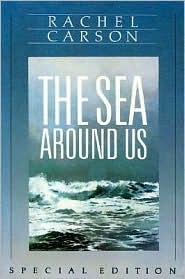
Carson's second book, The Sea Around Us, explored the origins and geological aspects of the sea. It won the National Book Award and sold more than 200,000 copies, enabling her to retire from the FWS to write full time. In 1955, upon completion of The Edge of the Sea, the final book in her trilogy about the sea, Carson began focusing on her growing concern over the effects of chemicals and pesticides on the environment. "The more I learned about the use of pesticides," she recalled, "the more appalled I became and I realized that here was the material for a book. What I discovered was that everything which meant most to me as a naturalist was being threatened, and that nothing I could do would be more important." At this very important moment in her life, one wonders if she drew strength from the words of her hero, DR. ALBERT SCHWEITZER, who once said, "Truth has no special time of its own. Its hour is now - always."
Carson's underlying philosophy was that humans are interdependent with nature. She argued that industrial activity was causing permanent damage to the Earth's ecosystems. Her focus on the indiscriminate spraying of pesticides like DDT showed how toxins, once in the food chain, can have severe, unpredictable and far-reaching ecological consequences. She pointed out that something that kills a worm or plant would most likely sicken or kill whatever ate the worm or plant. Also, she wrote how chemically treated soil leads to destruction of beneficial biological species, resulting in imbalance to the ecosystem, transference of the toxins to ground water and possibly to the plants growing in the soil. In humans, she was concerned that while eating one product with some toxic residue might not be harmful, no one knew the future health problems of combining various products, each with its own "residue."It was then that she wrote her environmental classic, Silent Spring. Originally serialized in the New Yorker magazine in June 1962, Silent Spring quickly developed a reputation as the book that started the modern environmental movement. This brave woman laid out the startling facts of what man was doing to nature and ultimately to himself.
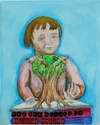
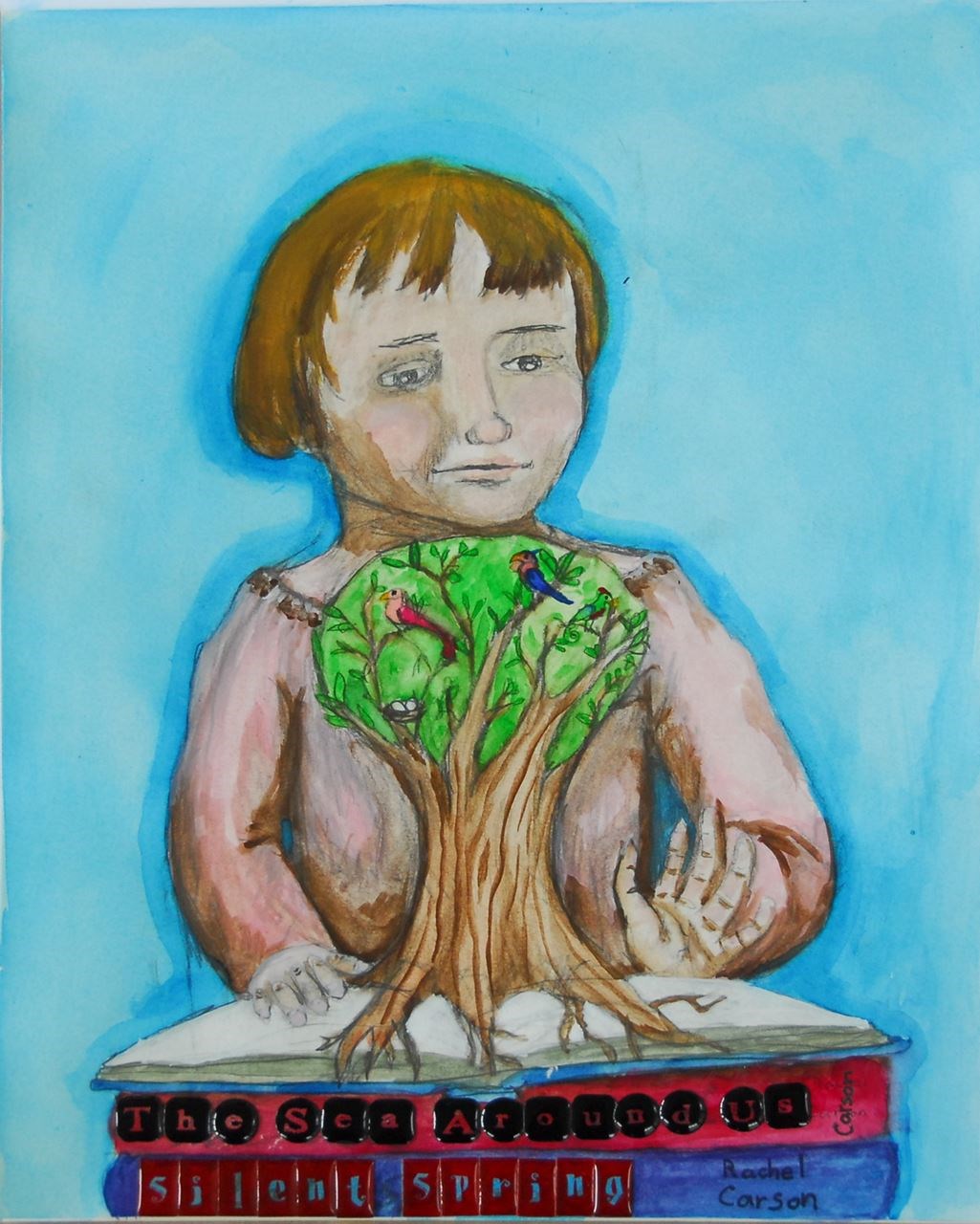 The young Rachel Carson with her future books .Maia Desjardins
Since Carson's first warnings, ecological problems resulting from chemical and pesticide use have become worse according to an article in the Los Angeles Times (3/29/00) entitled "Farmers Using More Chemicals, Analysis Shows": The agricultural and chemical industries responded to Silent Spring's publication with an aggressive smear campaign, calling her unprofessional, a "hysterical female" and even a communist. Although gravely ill with breast cancer, Rachel Carson continued to alert the world to the increasing dangers of pesticides and chemicals. Her research and conclusions were verified by a science advisory committee appointed during the Kennedy administration.
"Despite a growing organic movement and a shift by some big growers to less toxic methods, the amount of harmful pesticides used by California growers has increased by 5% per acre since 1994, according to the study by the Pesticide Action Network, a nonprofit group that advocates reducing the use of toxic chemicals in farming."
According to statistics from the Environmental Protection Agency, sales of pesticides increased from $500 million dollars in 1962 to $11.9 billion dollars in 1997.
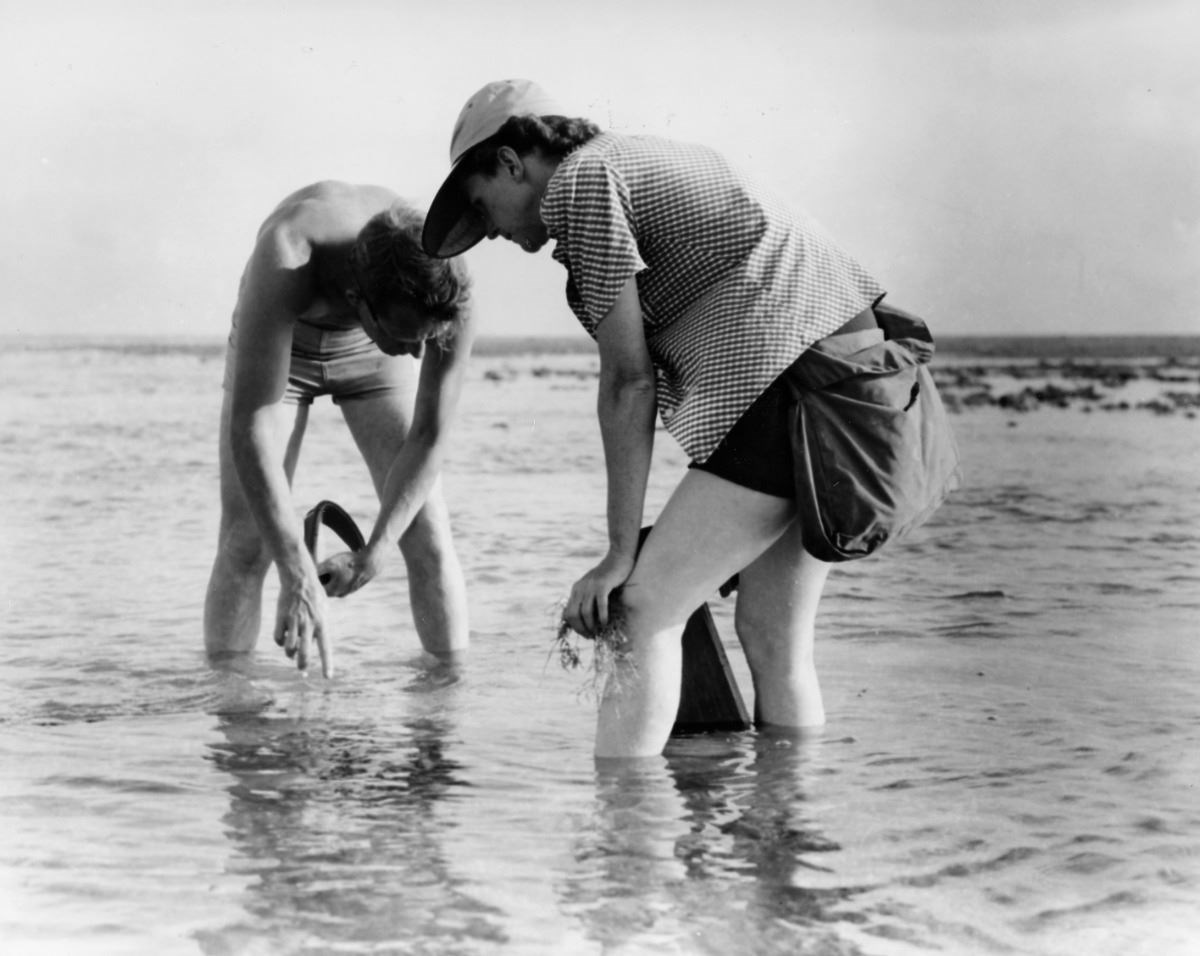 Rachel Carson conducts Marine Biology Research with Bob HinesU.S. Fish and Wildlife Service / Public domain
Carson wrote of the "truly extraordinary array of alternatives to the chemical control of insects." It's about time we make use of them. The cry of "Organic, please!" is becoming louder and this consumer power is helping slow the assault of pesticide pollution even when governments do not. In the words of Rachel Carson, "The choice, after all, is ours to make. If, after having endured much, we have at last asserted our 'right to know,' and if, knowing, we have concluded that we are being asked to take senseless and frightening risks, then we should no longer accept the counsel of those who tell us that we must fill our world with poisonous chemicals; we should look about and see what other course is open to us."
Page created on 7/4/2004 1:55:25 PM
Last edited 4/30/2021 9:44:40 PM
| Get involved! You too can help protect our environment.
National Coalition Against the Misuse of Pesticides. BEYOND PESTICIDES/NCAMP provides the public with useful information on pesticides and alternatives to their use. MANY GOOD LINKS. U.S. Fish and Wildlife Service. Conserving the Nature of America. RACHEL CARSON'S workplace for 17 years. Ecology Center Addresses the public need for unbiased, non-commercial information about household products, ecologically-sensitive methods of living, and large toxic threats to society and alternatives to those threats. PREVENT CANCER A national organization of doctors, cancer researchers and public health officials, fighting for a safer environment at home, in the community and at work. The National Sea Grant Produces and makes available a wealth of information on marine topics, from public school curriculum materials to the most advanced scientific research. Friends of the Earth International The world's largest federation of environmental groups that unites close to one million activists worldwide. Member organizations in 61 countries and ten affiliate groups campaign on the most urgent environmental and social issues of our day.
|