REPRINTED WITH PERMISSION FROM THE CHRISTIAN SCIENCE MONITOR
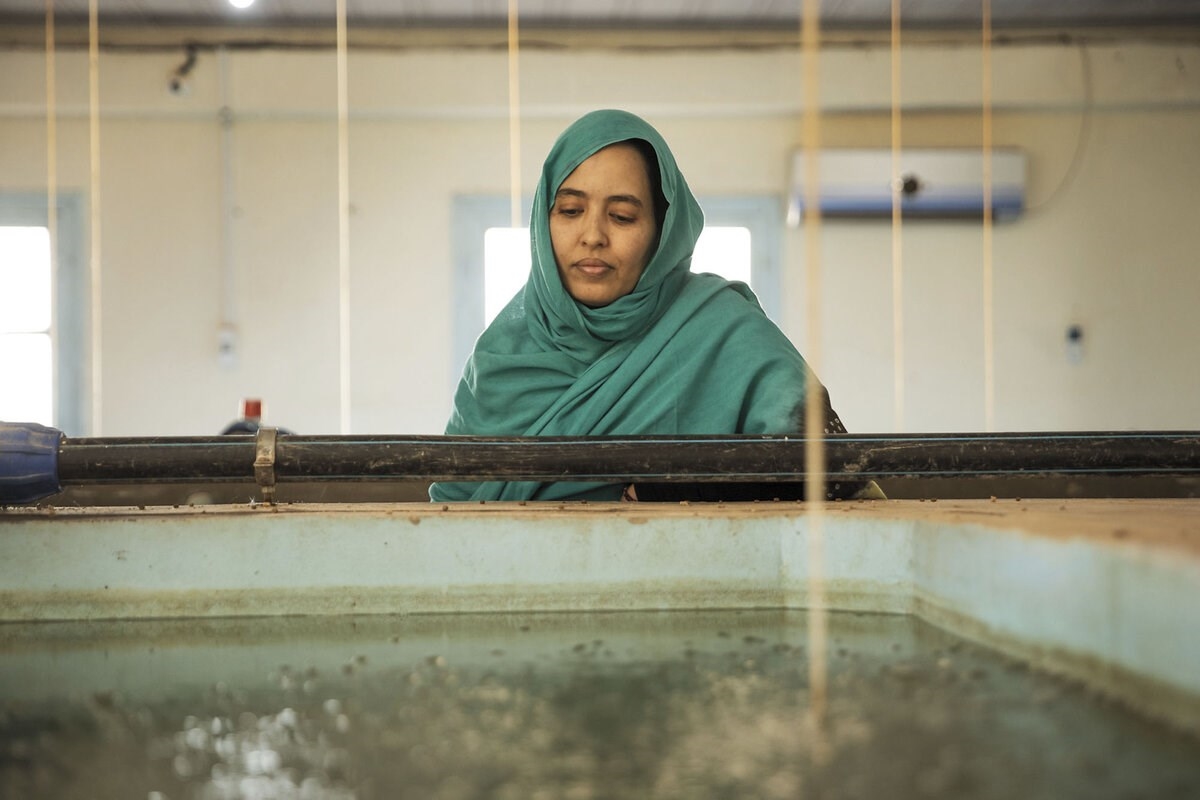 AQUACULTURE: Biologist Jadiya Nafe stands beside tanks in which tilapia are placed as part of a fish-farming project in N’khaila, in the Sahrawi refugee camps in Tindouf province, Algeria.Gianni Esposito
| Tindouf Province, Algeria
Every year, Damba Mohamad drives 800 kilometers (about 500 miles) from Rabouni, the administrative center of the Sahrawi refugee camps in southwestern Algeria, to the city of Zouérat in northern Mauritania. There, he buys croaker or hake fish to bring back to Rabouni and resell it in the camps.
He makes the long trek because it is otherwise hard for people in exile to eat what they once could freely catch 50 years ago. The Sahrawi people were expelled from their land in 1975, when Spain withdrew from its former colony of Spanish Sahara, and Morocco began occupying the vast territory.
More than 170,000 Sahrawis now live in the camps in this harsh desert region, where summer temperatures can exceed 120 degrees Fahrenheit.
With seafood so difficult to secure, an unusual project was launched seven years ago: At a farm in Esmara, a locality within the camps, farmers raise red and black tilapia in ponds that hold about 48,000 fish. Most of the harvest goes to feed people living in the camps, including those at the hospital.
Biologist Jadiya Nafe clearly recalls the day the farm was inaugurated, on Feb. 28, 2019. “We wanted to show that even in these conditions, opportunities can still be created,” she says.
This article was produced with support from a Connect for Global Change grant from Lafede, which advocates global human rights.
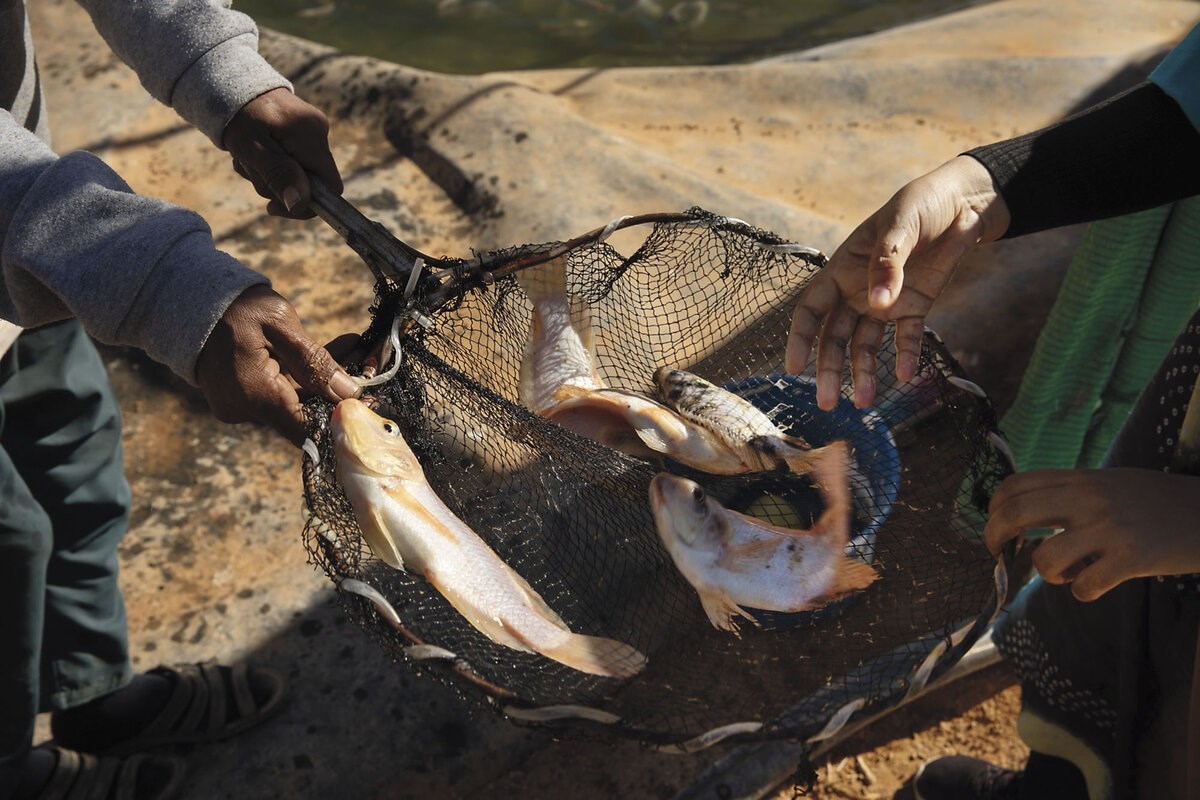 Gianni EspositoCATCH OF THE DAY: Tilapia is harvested from the ponds of the fish farm.
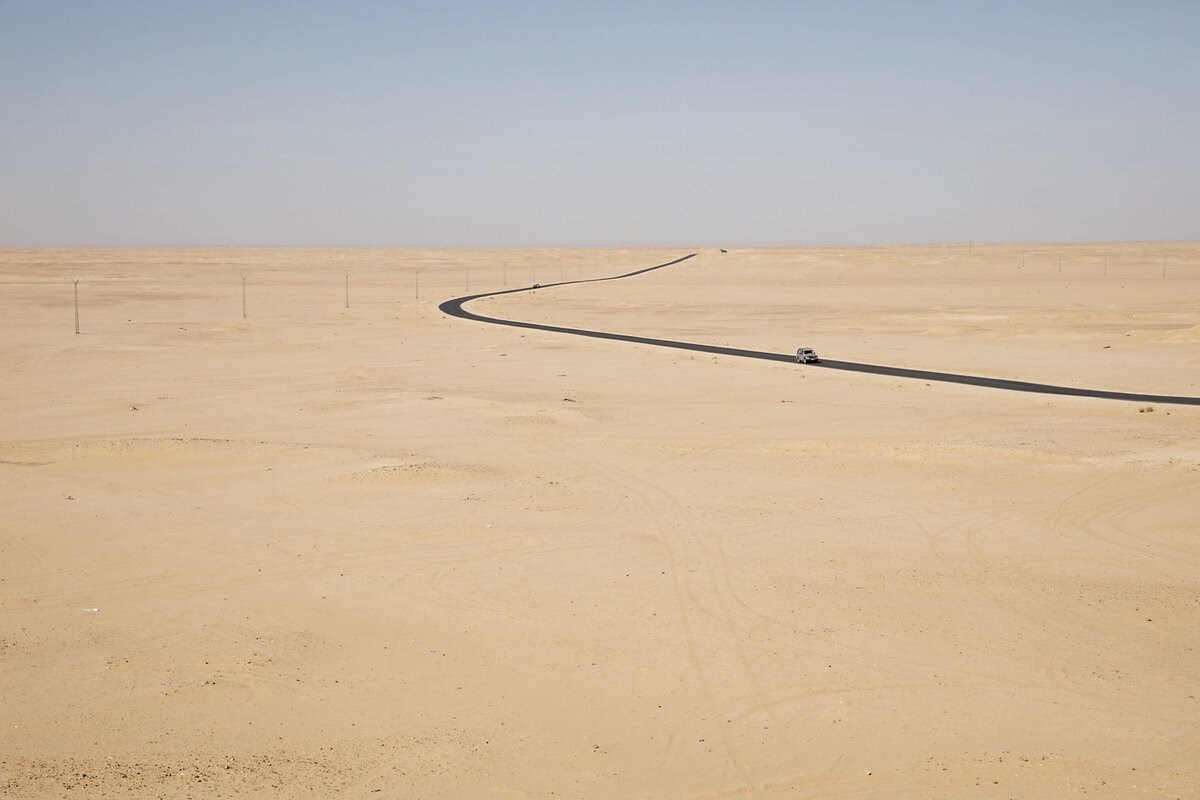 Gianni EspositoA LANE IN THE SAND: The Sahara surrounds the Sahrawi camps, which are connected by a single road crossing the desert.
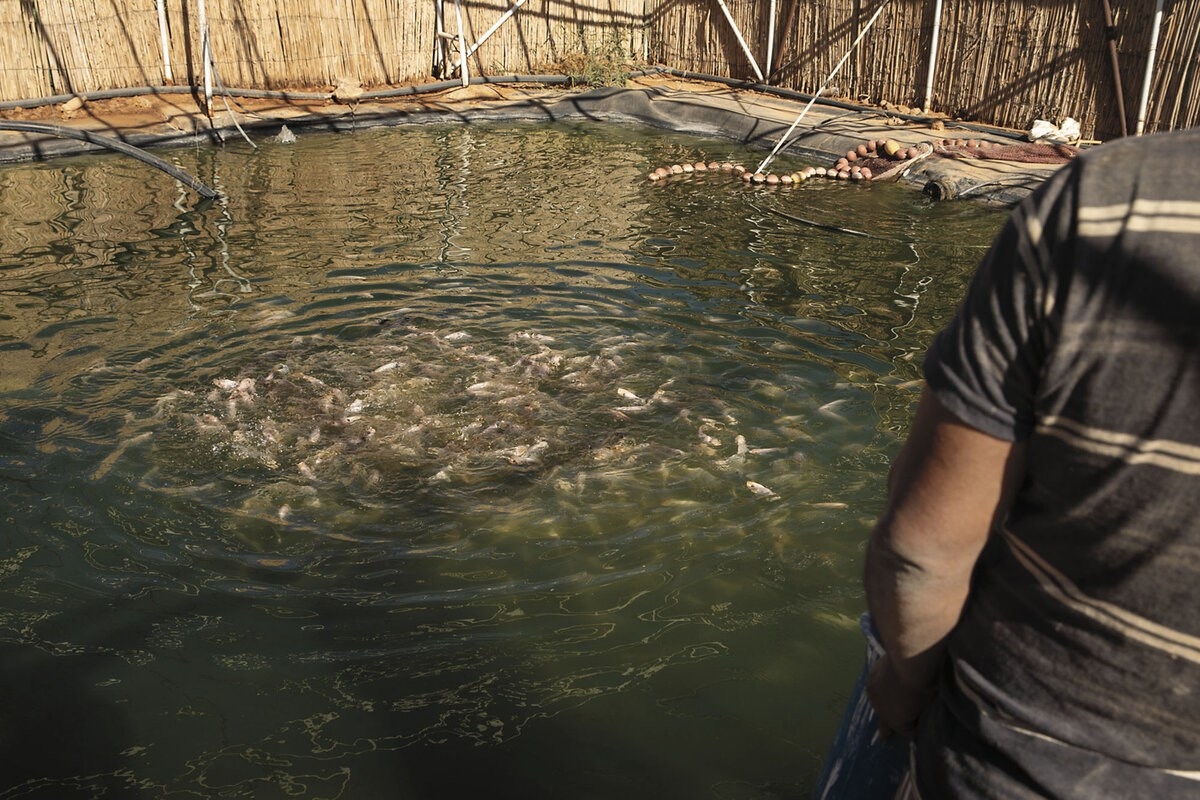 Gianni EspositoINSPECTOR: A technician examines a pond at the fish farm as he monitors the fish’s growth.
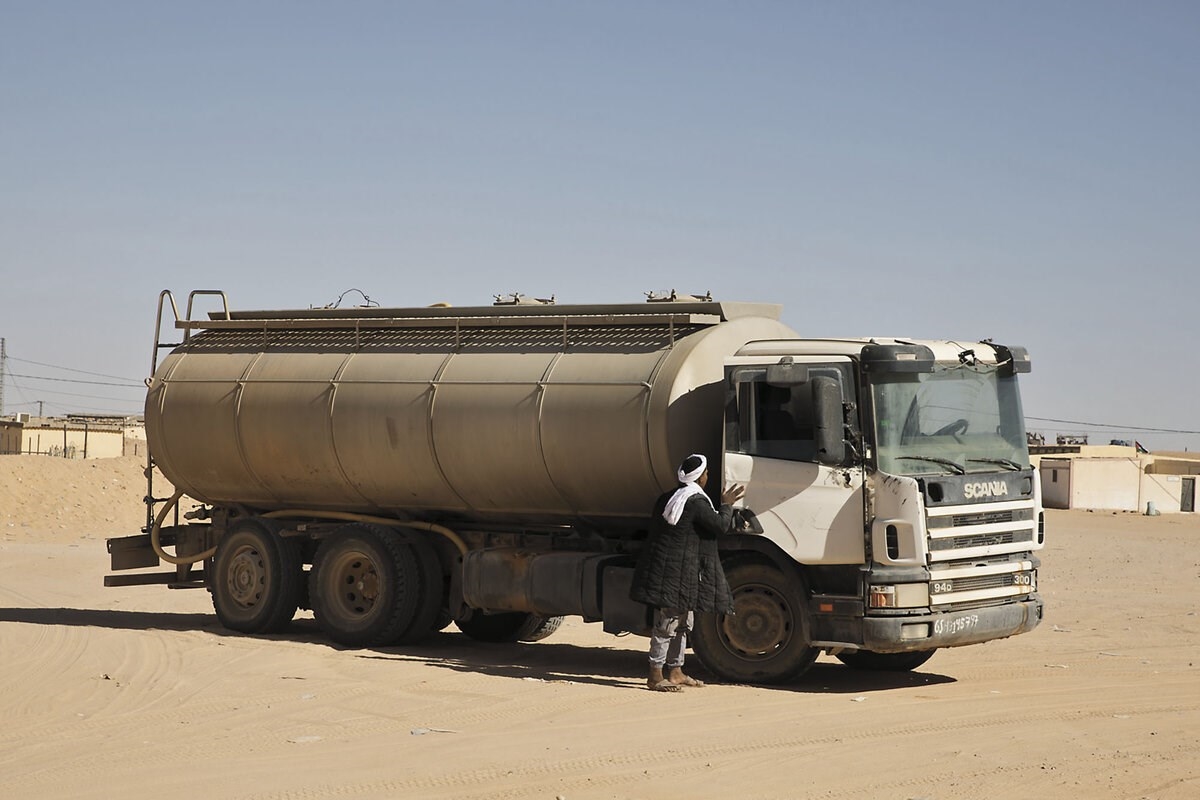 Gianni EspositoA THIRST FOR RESOURCES: A tanker delivers water to the camps.
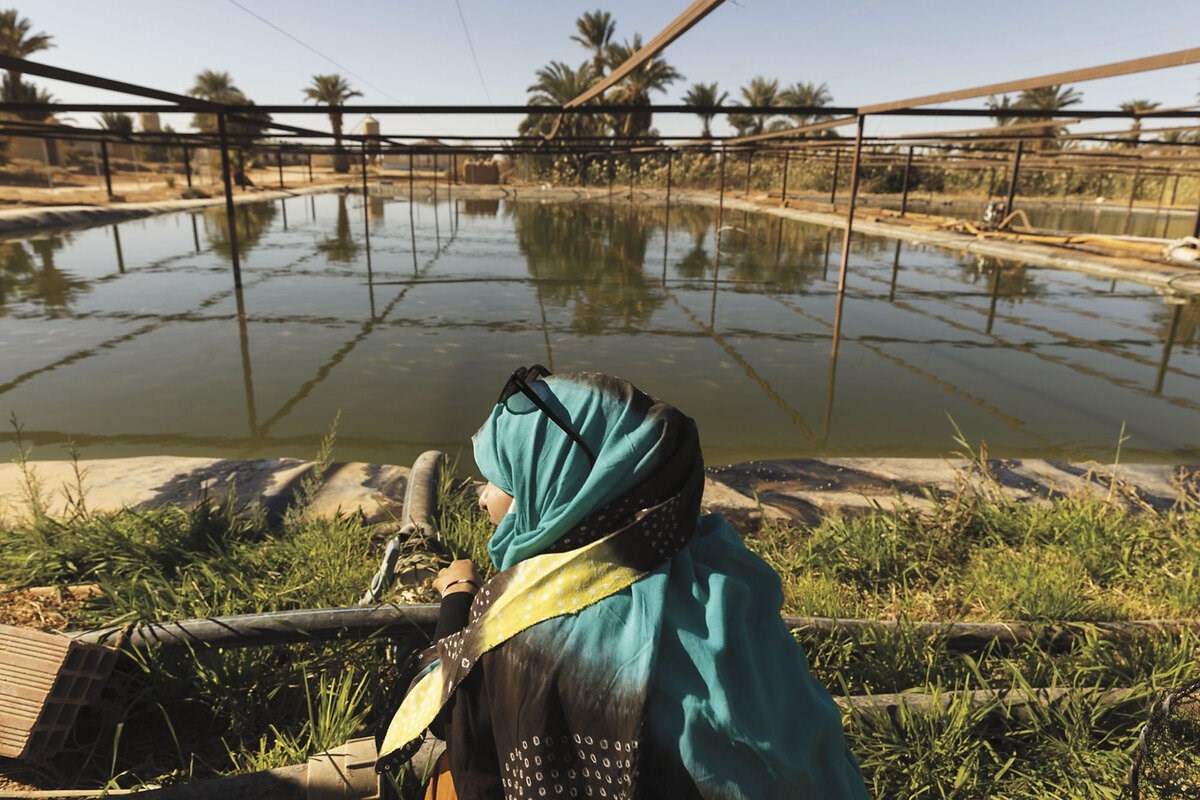 Gianni EspositoTHE PRIDE OF THE DESERT: Ms. Nafe recalls the day the farm was inaugurated: “We wanted to show that even in these conditions, opportunities can still be created."
Page created on 6/20/2026 6:28:58 PM
Last edited 6/20/2026 6:44:11 PM