There’s no neat ending with chronic illness - it’s about learning how to live alongside it.
It’s fitting that I was born in May because it’s also EDS awareness month. If you or someone you love lives with EDS, this is the time to make some noise about it.
Lena Dunham born May 13, 1986 is an American writer, director, actress, and producer, widely recognised for her distinctive voice in contemporary storytelling. She rose to prominence as the creator, writer, and star of the HBO series Girls (2012–2017), a show that captured the complexities of young adulthood with honesty and nuance. Her work on Girls earned her multiple Emmy Award nominations and two Golden Globe Awards, cementing her status as a leading figure in television.
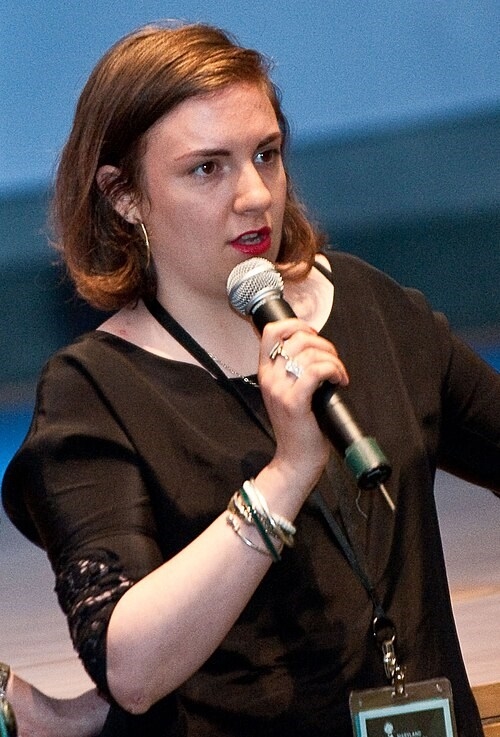 Lena DunhamWiki
In addition to writing and acting, Dunham directed several episodes of the series, making history as the first woman to win the Directors Guild of America Award for Outstanding Directing in a Comedy Series. Her creative career began earlier with the semi-autobiographical independent film Tiny Furniture (2010), which she wrote, directed, and starred in. The film received critical acclaim and won an Independent Spirit Award for Best First Screenplay.
Dunham has since expanded her work across film and television, directing projects such as Sharp Stick (2022) and Catherine Called Birdy (2022). In 2025, she created the Netflix series Too Much, starring Megan Stalter, continuing her exploration of character-driven storytelling.
Beyond screen work, Dunham has also made an impact as a writer and cultural commentator. In 2013, she was named in the Time 100 list of the most influential people in the world. The following year, she published her debut book, Not That Kind of Girl: A Young Woman Tells You What She's “Learned”, a collection of personal essays reflecting on identity, relationships, and ambition.
In 2015, alongside Girls showrunner Jenni Konner, Dunham co-founded Lenny Letter, a feminist online newsletter that featured essays, interviews, and commentary on politics, culture, and women’s experiences. The publication ran for three years before closing in 2018.
Dunham was diagnosed with obsessive–compulsive disorder (OCD) as a child, and continued to take a low dose of an anxiolytic to relieve her anxiety until 2018. In April 2018 Dunham entered rehab for an addiction to benzodiazepines and later said she loved her experience there. In February 2018, Dunham wrote an essay for Vogue about her decision to have a hysterectomy due to endometriosis. In 2019, Dunham revealed that she has Ehlers–Danlos syndrome (EDS).
Ehlers-Danlos Syndrome
Through her work across multiple platforms, Dunham has consistently challenged conventions and sparked conversation, establishing herself as a significant and often provocative voice in modern media. She is known for her openness when it comes to health, body image, and chronic illness. In recent years, she has spoken publicly about living with Ehlers-Danlos Syndrome (EDS), helping to bring wider awareness to a condition that is often misunderstood and underdiagnosed.
Ehlers-Danlos Syndrome is a group of inherited disorders that affect connective tissues- the structures that support skin, joints, and blood vessel walls. Symptoms can vary widely, but often include joint hypermobility, chronic pain, fragile skin, and fatigue. Because of its complexity and range of presentations, many people experience long journeys to diagnosis. By discussing her own experience, Dunham has helped highlight the realities of living with a chronic, invisible illness: “Living with chronic illness is a full-time job -it requires a kind of attention and care that people don’t always see.”
She described how symptoms such as joint instability and ongoing pain affected her daily life and career, particularly during her time creating and starring in Girls. Her decision to step back from certain professional commitments has, in part, been linked to managing her health more sustainably.
“Until I was in my late twenties, I didn’t know that all my bendy party tricks (or the random fits of flushing which made red lipstick a gamble, or my migraines or swollen knees or fainting spells…) weren’t just quirks. They were all part of Hypermobile Ehlers-Danlos Syndrome, a genetic condition that means a lack of collagen in my connective tissue. This causes everything from joint pain & dislocation, poor wound healing and a plethora of seemingly random symptoms that aren’t so random at all.”
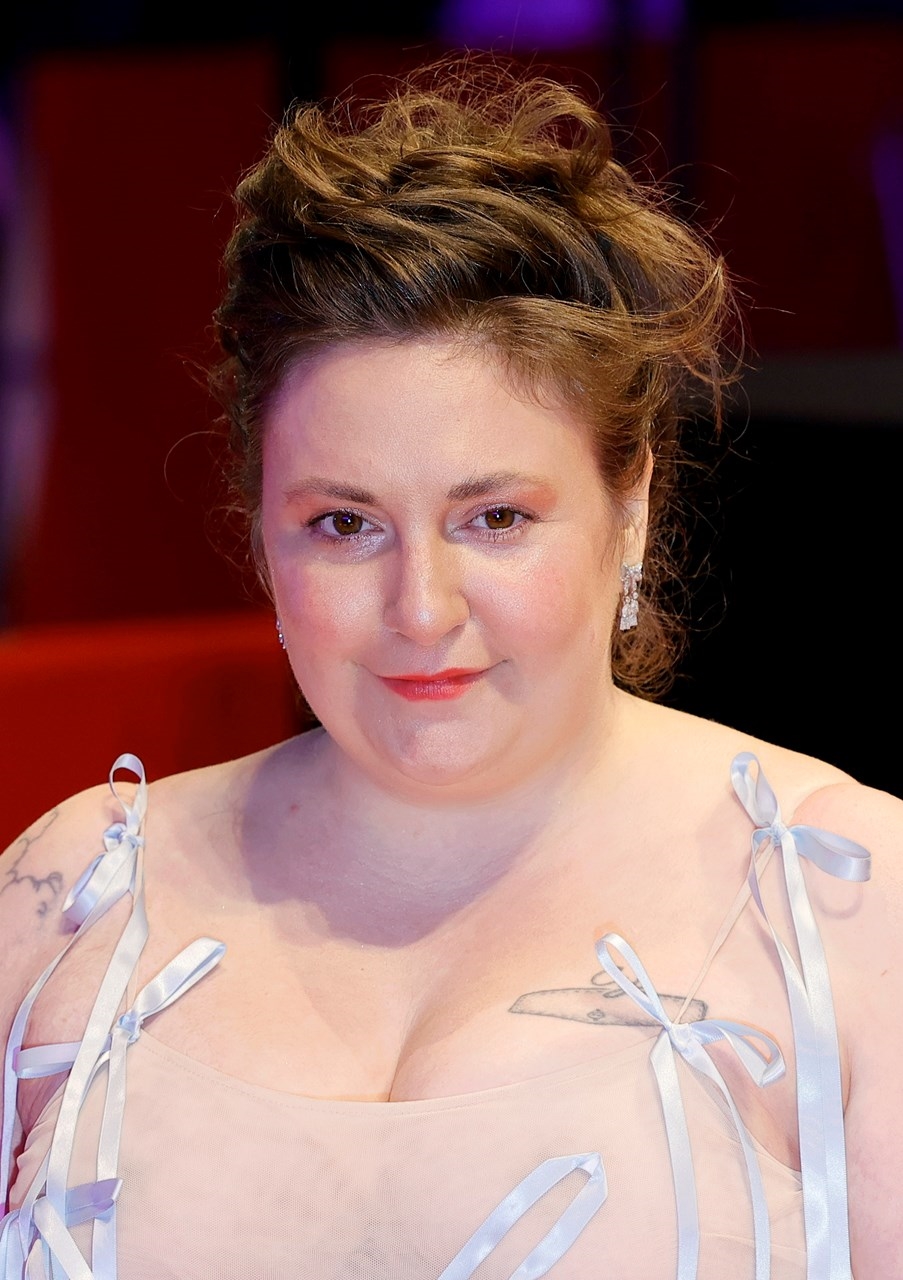 WikiLena
Hypermobile EDS is one of 13 recognised forms of the condition, which affects connective tissue throughout the body. It remains widely misunderstood and often underdiagnosed, with estimates suggesting it affects between 1 in 5,000 and 1 in 40,000 people, depending on the type.
Dunham has used her platform to raise awareness, particularly during EDS Awareness Month in May, encouraging others to seek understanding and support:
“It’s fitting that I was born in May because it’s also EDS awareness month. If you or someone you love lives with EDS, this is the time to make some noise about it.”
She has also highlighted the importance of community and advocacy, noting that her own diagnosis was prompted by someone recognising her symptoms:
“It was actually someone who had read my writing about chronic pain & seen me on TV who encouraged me to see a specialist. That sisterly act of care changed my life.”
Dunham recently posted a message of support and understanding
“If you have EDS, remember:
it’s not in your head.
you’re not lazy.
it’s alright to ask for help - there’s no shame in admitting what you can’t do.
You’re allowed to take advantage of disability services.”
She also reflects on the unexpected strengths that can emerge from living with chronic illness:
“It may feel like the world is passing you by but think of the gifts you develop as a result. My creativity was born of the time I spent on my own. As a director, I work from a place of empathy that my illness gave me.”
For those supporting loved ones with EDS, her message emphasises patience and compassion:
“Be flexible - they’re doing their best. Don’t take it personally… It’s ok to be overwhelmed. Remember, they have a well of hard-earned empathy just waiting for you.”
Chronic illnesses - especially those that are not always visible - can be difficult for others to understand. By sharing her story, Dunham contributes to a broader cultural shift towards acknowledging and normalising these experiences.
Dunham’s openness forms part of a larger conversation about health, identity, and the pressures of public life. Living with Ehlers-Danlos Syndrome requires ongoing management, adaptation, and resilience - something she has not shied away from discussing.
Her story also intersects with wider issues, including access to healthcare, gender disparities in diagnosis, and the stigma surrounding chronic illness. These are not unique to EDS but are common across many long-term health conditions.
By speaking openly about living with Ehlers-Danlos Syndrome, Lena Dunham has helped bring attention to a complex and often overlooked condition. While her experience is only one among many, it has contributed to greater awareness and understanding.
As she stated: “The more we talk about our bodies honestly, the less alone we all feel.”
To find out more about Ehlers-Danlos Syndrome, go to:
The Ehlers-Danlos Society. (2023). What is Ehlers-Danlos Syndrome? Available at: https://www.ehlers-danlos.com
NHS. (2023). Ehlers-Danlos syndromes. Available at: https://www.nhs.uk/conditions/ehlers-danlos-syndromes/
Mayo Clinic. (2023). Ehlers-Danlos syndrome – Symptoms and causes. Available at: https://www.mayoclinic.org
References
Dunham, L. (2017). Lenny Letter interviews and personal essays on chronic illness.
Dunham, L. (2018). Public statements and interviews on living with chronic illness and pain management.
Dunham, L. (2019). Social media reflections and interviews discussing long-term health conditions.
Dunham, L. (2020). Interview commentary on body image and chronic illness awareness.
https://en.wikipedia.org/wiki/Lena_Dunham
Page created on 5/6/2026 2:21:46 PM
Last edited 5/15/2026 6:55:27 PM