REPRINTED WITH PERMISSION FROM THE CHRISTIAN SCIENCE MONITOR
The women on the team Las Diablillas spend their two hours of softball practice every week in constant laughter. The game allows them to take a break from their traditional Mayan roles as housewives, mothers, and daughters and do something just for themselves.
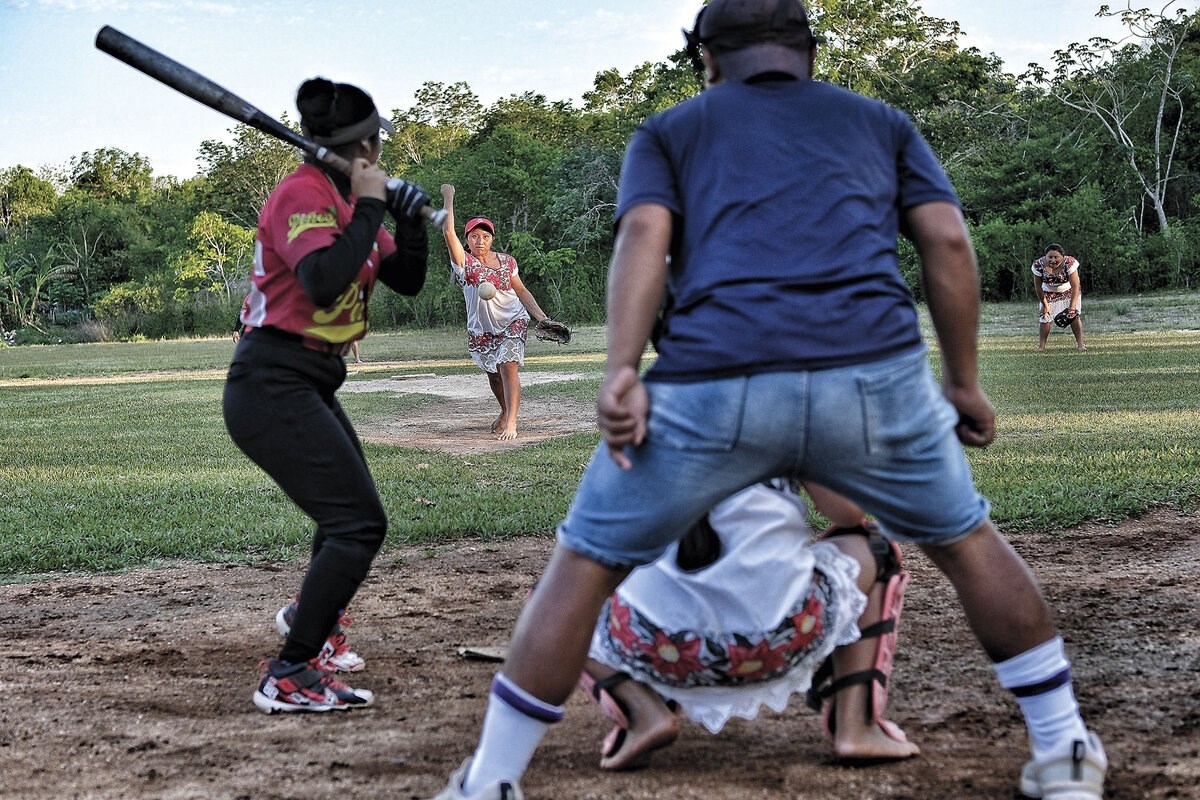 FIELD OF DREAMS: Alejandra Tuz May, captain of Las Diablillas, throws a ball to a batter during a friendly match against Las Piñeras in Chanchén Primero, Mexico. Oscar Espinosa
| Hondzonot, Mexico
Every Tuesday and Thursday afternoon, 18 women and girls from this remote jungle community meet to train on the village ball field – a place where they were once unwelcome. The players spend their two hours of softball practice in constant laughter as they take a break from their traditional Mayan roles as housewives, mothers, and daughters and do something just for themselves.
One of the team’s veterans, Gloria Carolina Be Segura, runs a small grocery store. On training days, she wakes up extra early to get her housework done. “My husband or my son takes care of the store so that I can go play,” she explains, satisfied with her small personal victory. “It’s my time, when I de-stress and have fun with my friends.”
The women have been playing since 2018, when Fabiola May Chulim and a few neighbors began meeting near their homes to practice something similar to baseball, using sticks, tennis balls, and their own rules. The game aroused unease in their village, Hondzonot.
“Women could not be distracted with other things; they had to stay at home,” Ms. May Chulim says. “Our husbands and fathers ... told us that we were wasting our time.”
Without neglecting their duties at home, they continued meeting. The women brought their children and would take turns looking after them. Gradually, other women joined in the game, and their team, Las Diablillas (The Little Devils), was born. After a tournament organized by the municipality of Tulum, they learned the rules of softball and traded sticks for bats. But they decided to practice their own way: barefoot and dressed in huipil, the white tunic with embroidered floral motifs that most Mayan women wear.
Little by little, other women’s softball teams have formed in surrounding villages.
“There are more and more teams and more fans,” says Ms. May Chulim. “Many people tell us that we are an inspiration.”
The team’s fame has brought invitations for the women to play matches on other softball diamonds outside their community. The women of Hondzonot, who would probably never have left their village if not for softball, have traveled across much of the Yucatán Peninsula, sharing their experiences with other athletes and proudly representing their Mayan culture.
“We never imagined we would get this far,” Ms. May Chulim says, enthusiastically remembering the team’s hard beginnings. “Now the question is not who will give us permission, but who will be able to stop us.”
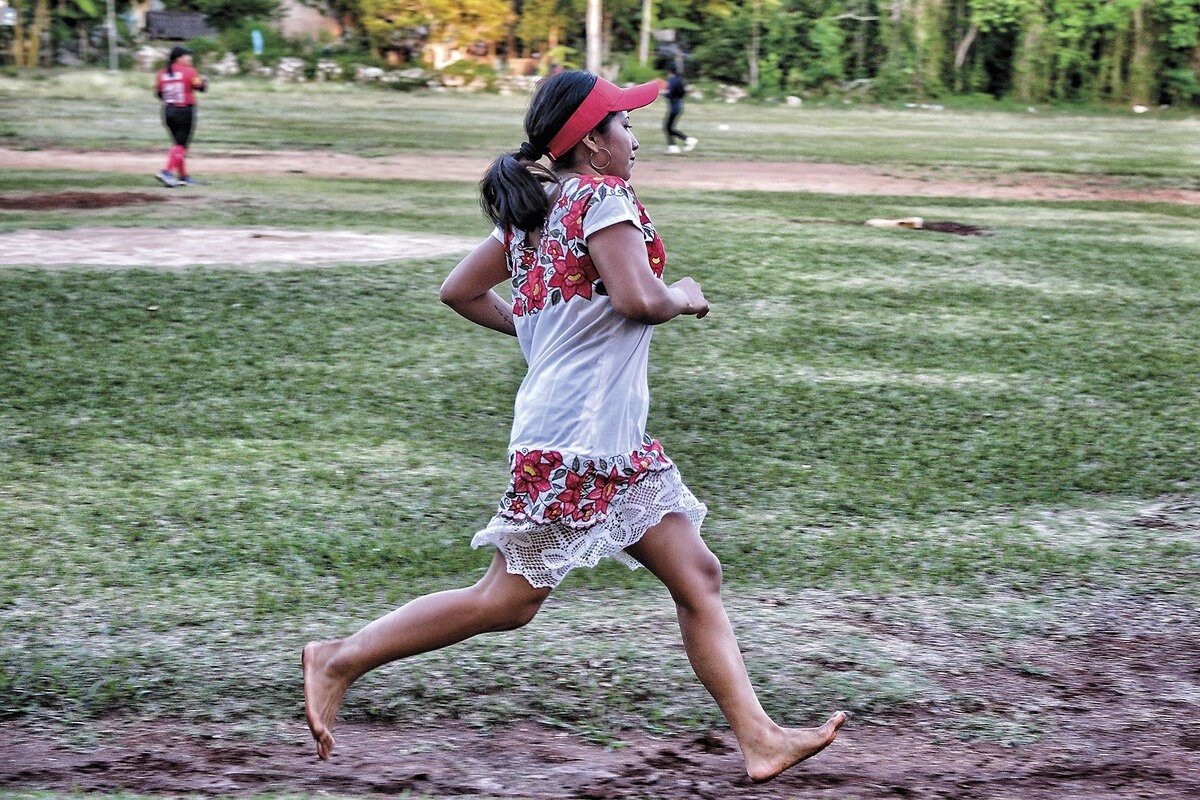 Oscar EspinosaBASE COMMANDER: Alejandra Tuz May runs to first base after batting in a friendly match against Las Piñeras, a women’s team in another Mayan village.
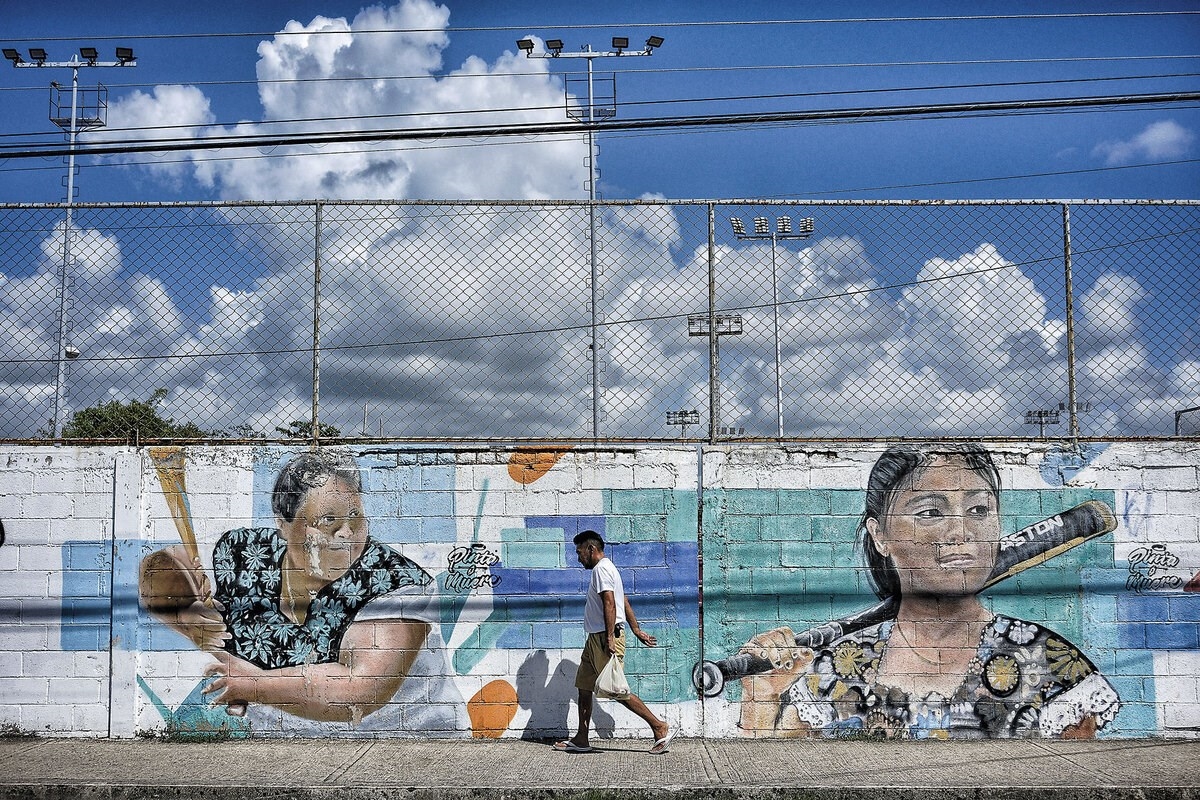 Oscar EspinosaTHEY’RE A HIT: The team’s impact has gone beyond their small Mayan community. A mural in the nearby resort town of Playa del Carmen, painted by urban art collective Pinta o Muere, pays homage to Las Diablillas.
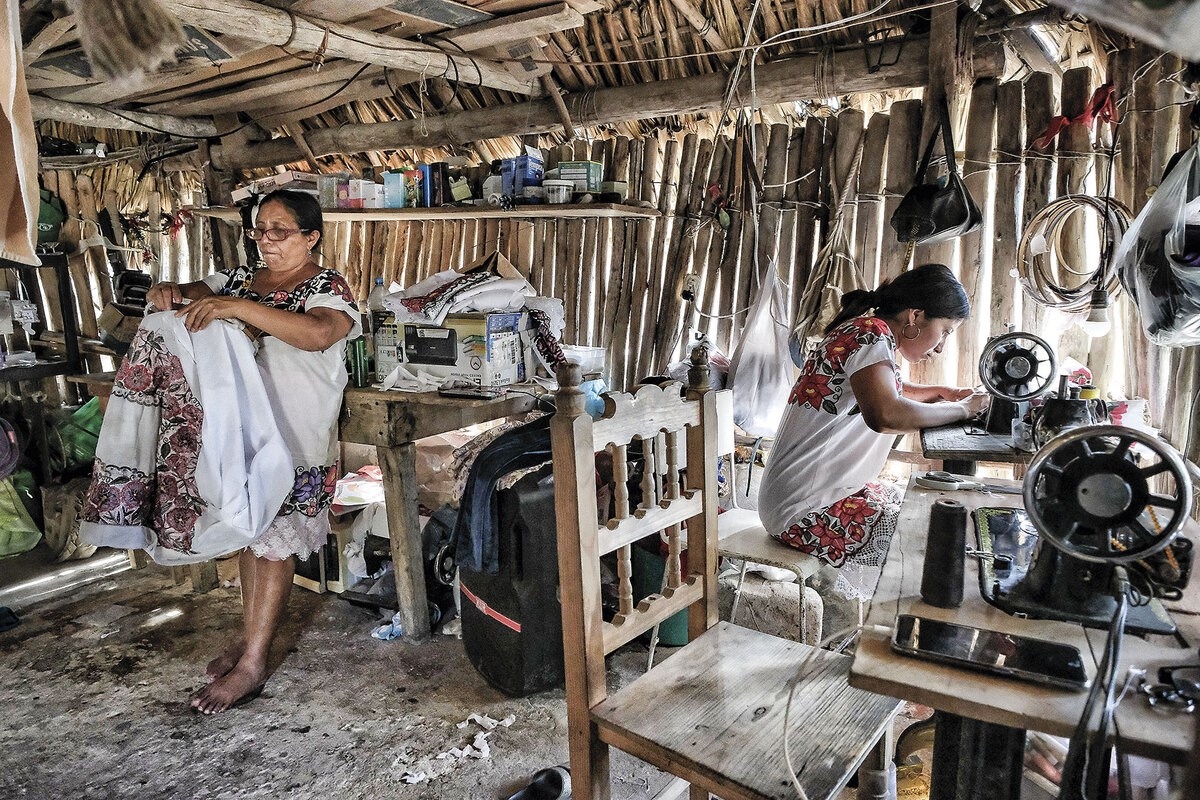 Oscar EspinosaSEAM SPIRIT: Sitting at a sewing machine, Alejandra Tuz May sews a huipil alongside her mother, Catalina May Chulim, who was on the team from 2018 to 2020 and today proudly supports her five softball-playing daughters.
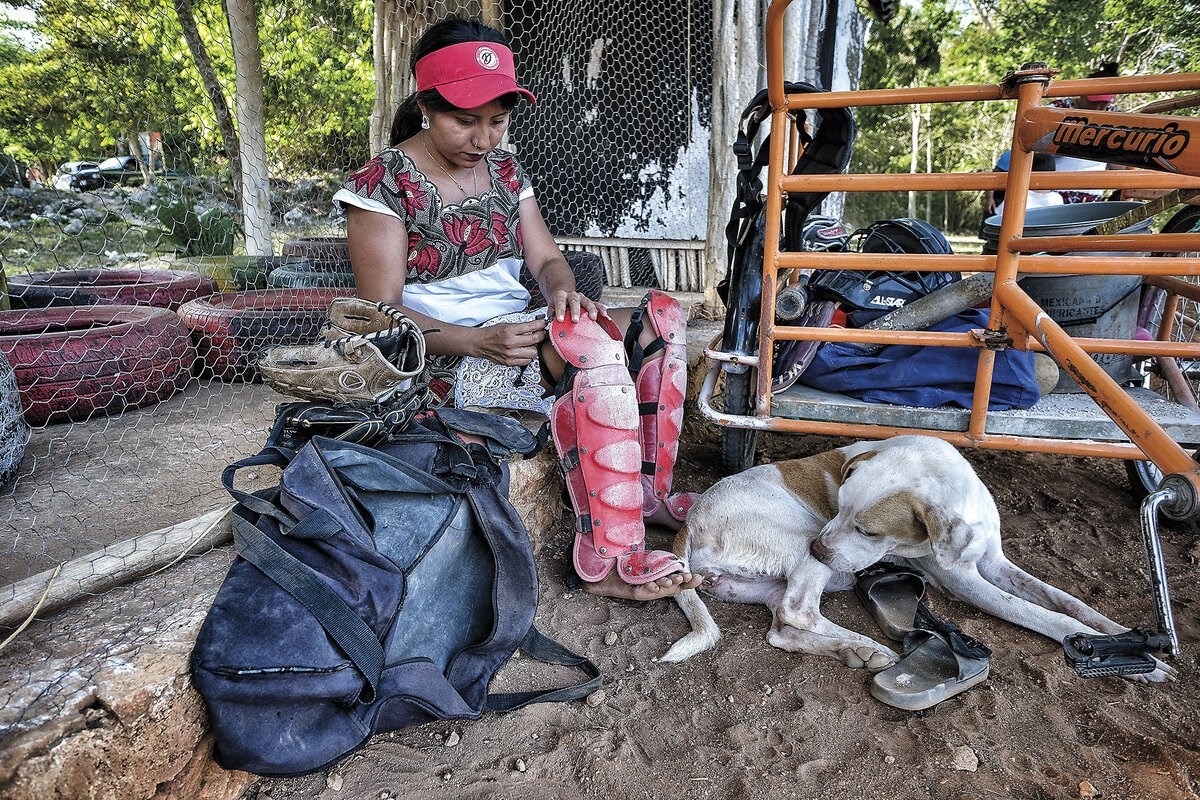 Oscar EspinosaWELL-SUITED: Ms. Tuz May puts on her catcher’s pads during a training session at the Hondzonot softball field, which borders lush vegetation.
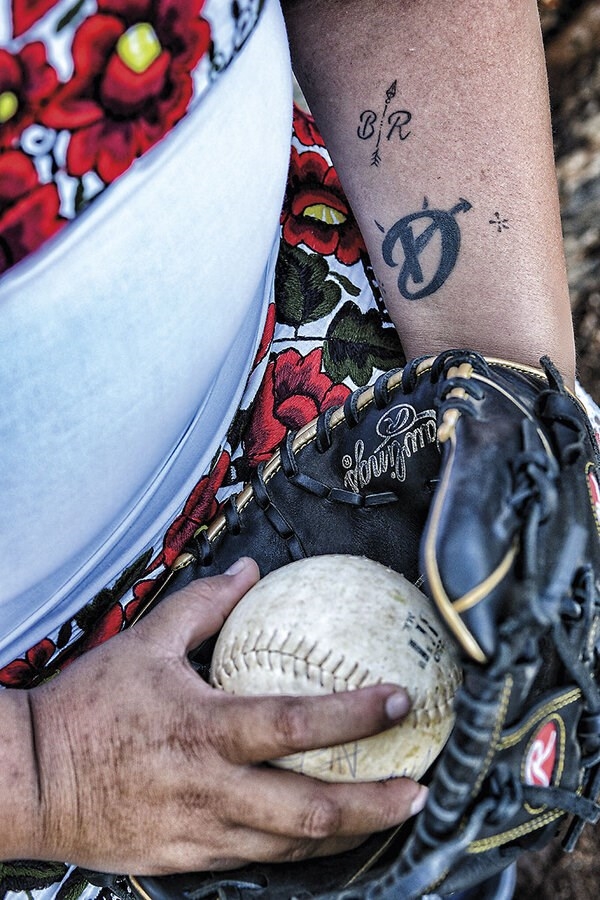 Oscar EspinosaFOR THE GLOVE OF THE GAME: Fabiola May Chulim has the team’s logo tattooed on her arm. The women chose the team name, which means The Little Devils, to turn around the scorn they once received and vindicate their rebelliousness.
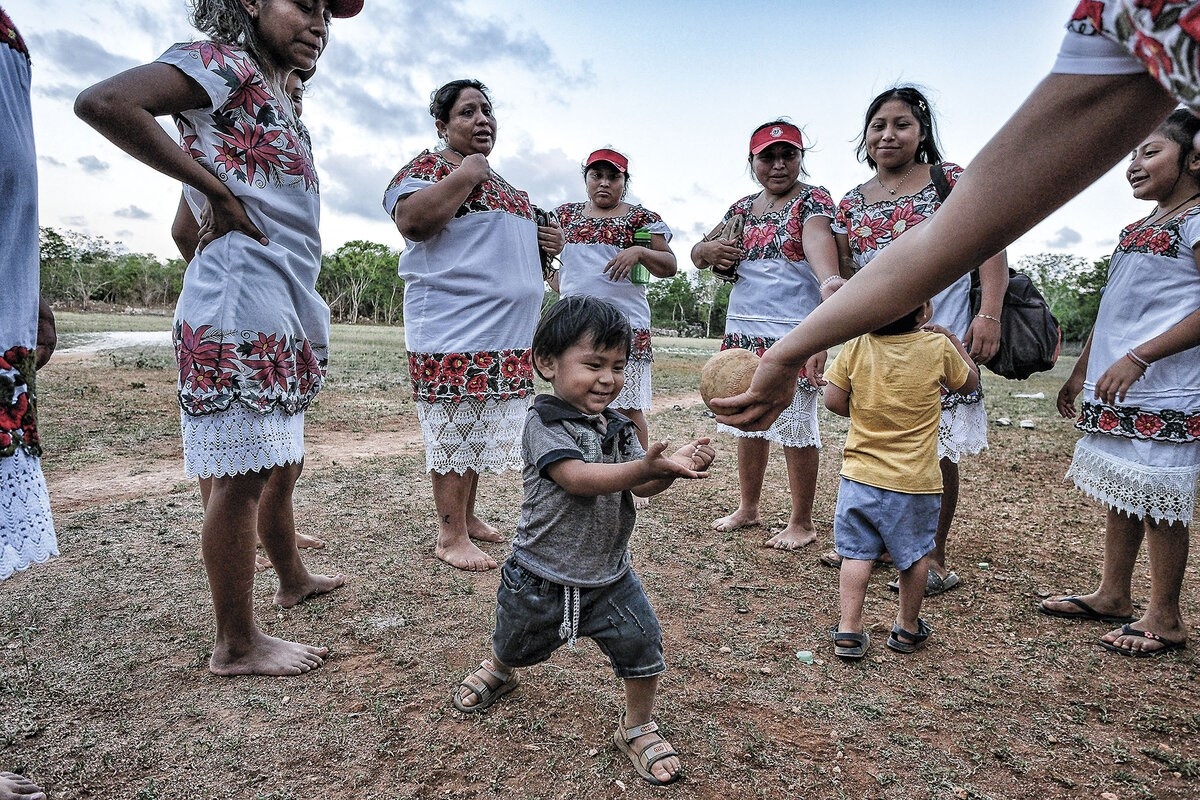 Oscar EspinosaLITTLE LEAGUER: Children often accompany their mothers to team training sessions, where the women take turns looking after them.
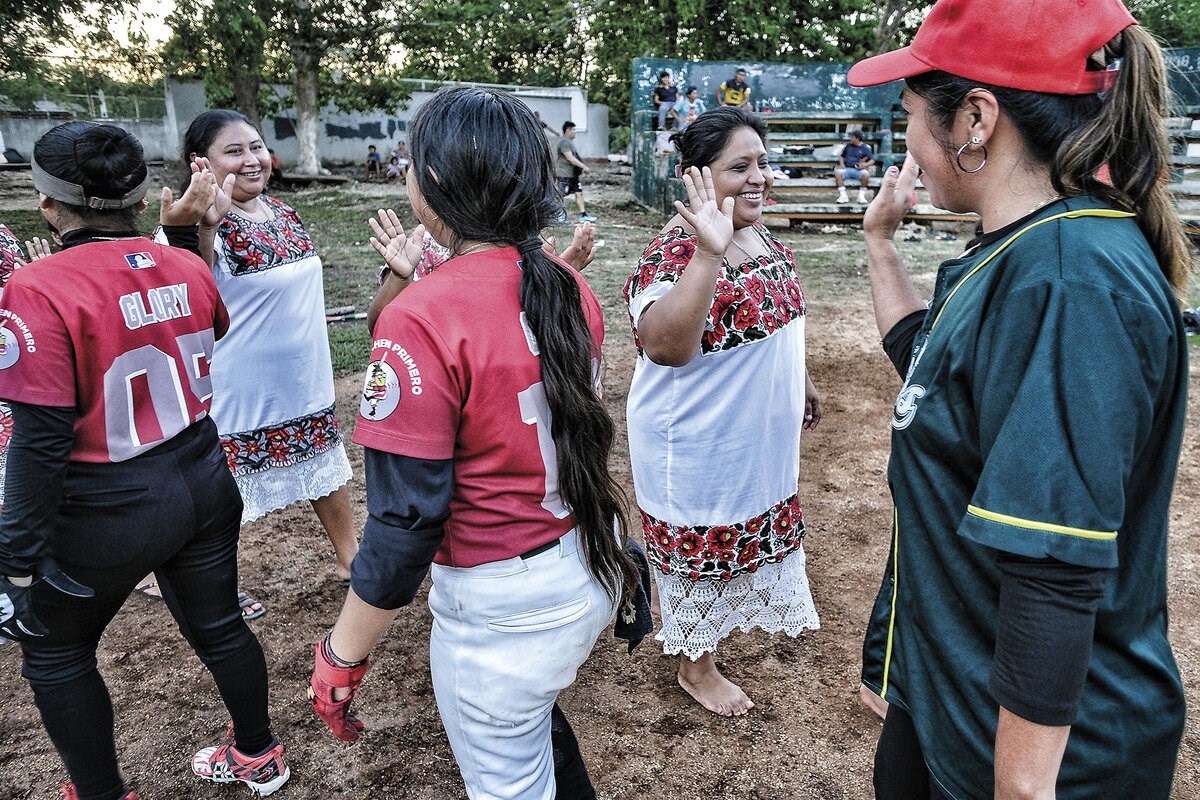 Oscar EspinosaDIAMOND JUBILEE: Though Las Piñeras won the match against Las Diablillas, the women all celebrate together afterward on the field.
Page created on 4/24/2026 2:39:54 PM
Last edited 4/24/2026 2:53:08 PM