REPRINTED WITH PERMISSION FROM THE CHRISTIAN SCIENCE MONITOR
| Chitengo, Mozambique
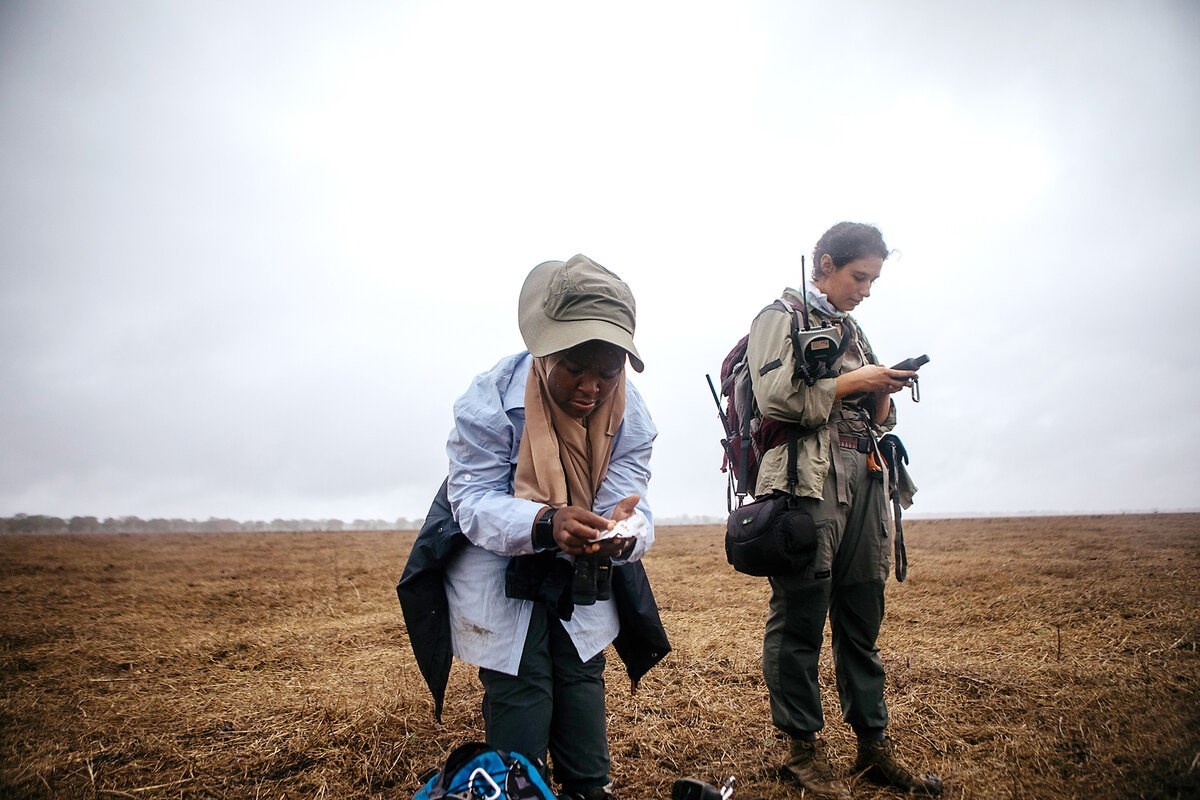 BABOON WATCH: Primatologists Rassina Farassi, left, and Emanuela Rabajoli track two troops of baboons in Gorongosa National Park in Chitengo, Mozambique. Kang-Chun Cheng
Rassina Farassi steps gingerly onto a scrubby, rain-slicked landscape dotted by thorny acacias and fever trees with mustard-yellow trunks. Clutching binoculars in one hand and a GPS device in the other, she scans the horizon for the objects of her attention: 13 chacma baboons (Papio ursinus) fitted with radio collars.
For eight months of the year, Ms. Farassi observes and tracks the baboons’ movements in Gorongosa National Park in central Mozambique. The daughter of maize farmers from northern Cabo Delgado province, she is Mozambique’s first female primatologist.
As part of her doctoral studies at the University of Coimbra in Portugal, she is conducting fieldwork for the Paleo-Primate Project (PPP), an interdisciplinary partnership between Gorongosa and the University of Oxford that involves fossil digs, primate observation, and cave exploration. This partnership falls under the Gorongosa Restoration Project, which works to advance community-centered development and conservation in Gorongosa. The park aims to increase its biodiversity after a ruinous 15-year civil war that ended in 1992.
Fieldwork here could unlock key information about human existence and adaptation, says primatologist and paleoanthropologist Susana Carvalho, the former director of PPP. Ms. Farassi, for her part, is examining bipedalism among primates. Using baboons as a model for human evolution, she hopes to fill gaps in understanding how modern Homo sapiens developed.
She first ventured into Gorongosa in 2017 under Ms. Carvalho’s tutelage. “I remember being amazed seeing baboons in the wild, seeing how they interacted,” Ms. Farassi recalls.
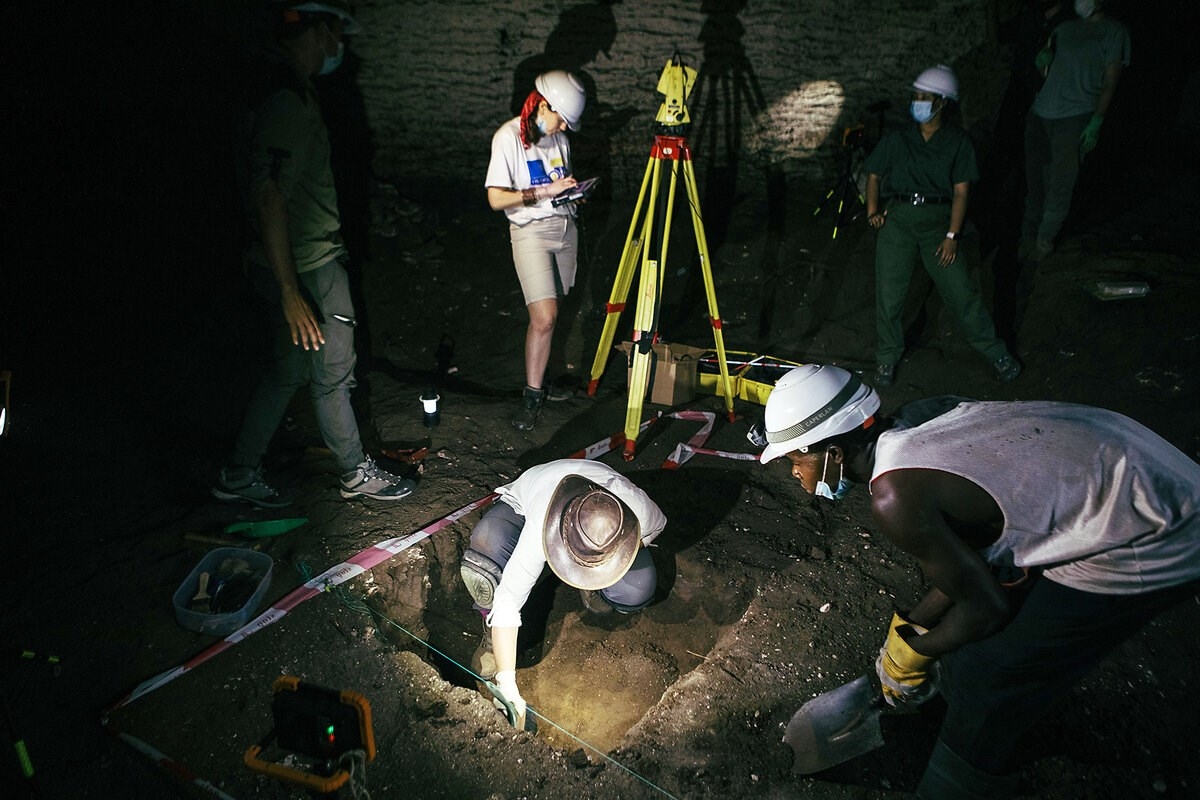 Kang-Chun ChengBIG DIG: Primatologist and paleoanthropologist Susana Carvalho, center, and excavation field assistant Francisco Fazenda, far right, work at Tombo Aphale 5, the first stratified Stone Age cave site discovered in Gorongosa.
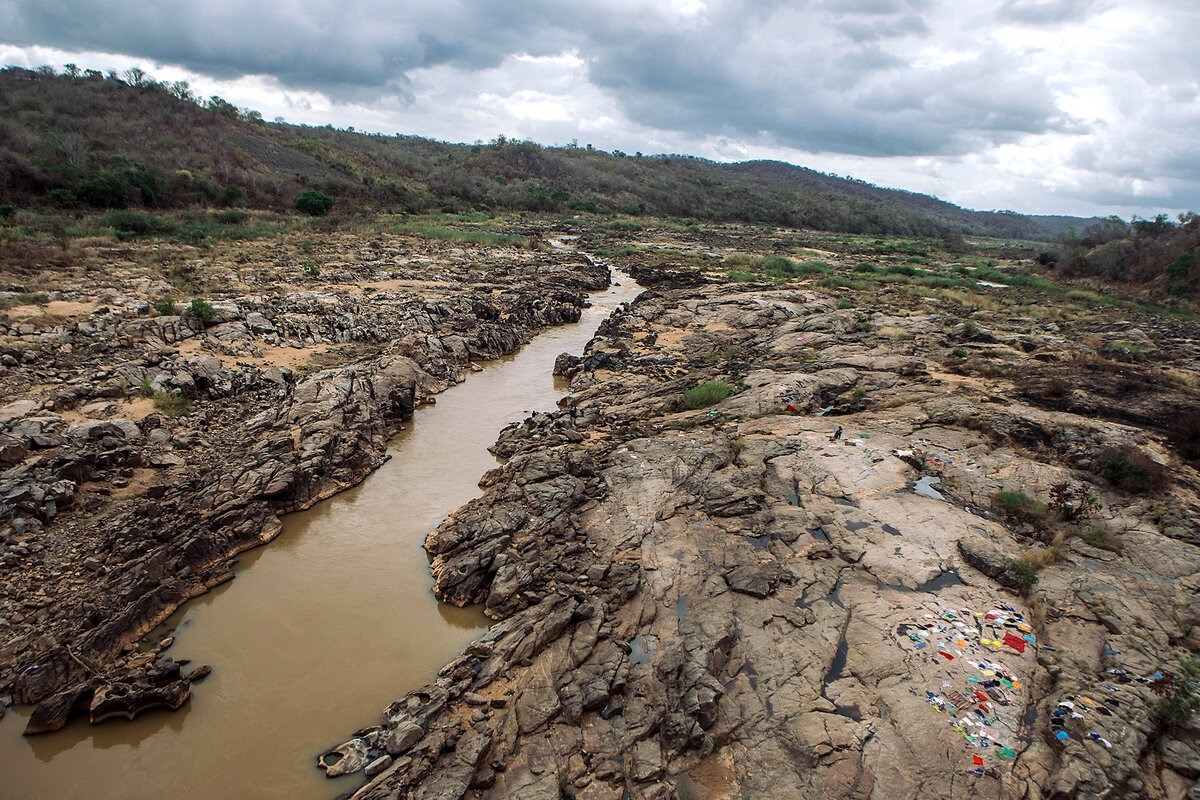 Kang-Chun ChengMIGHTY WATERWAY: The Pungwe River snakes for 400 kilometers (about 249 miles) across the eastern highlands of Zimbabwe, then flows through Mozambique into the Indian Ocean.
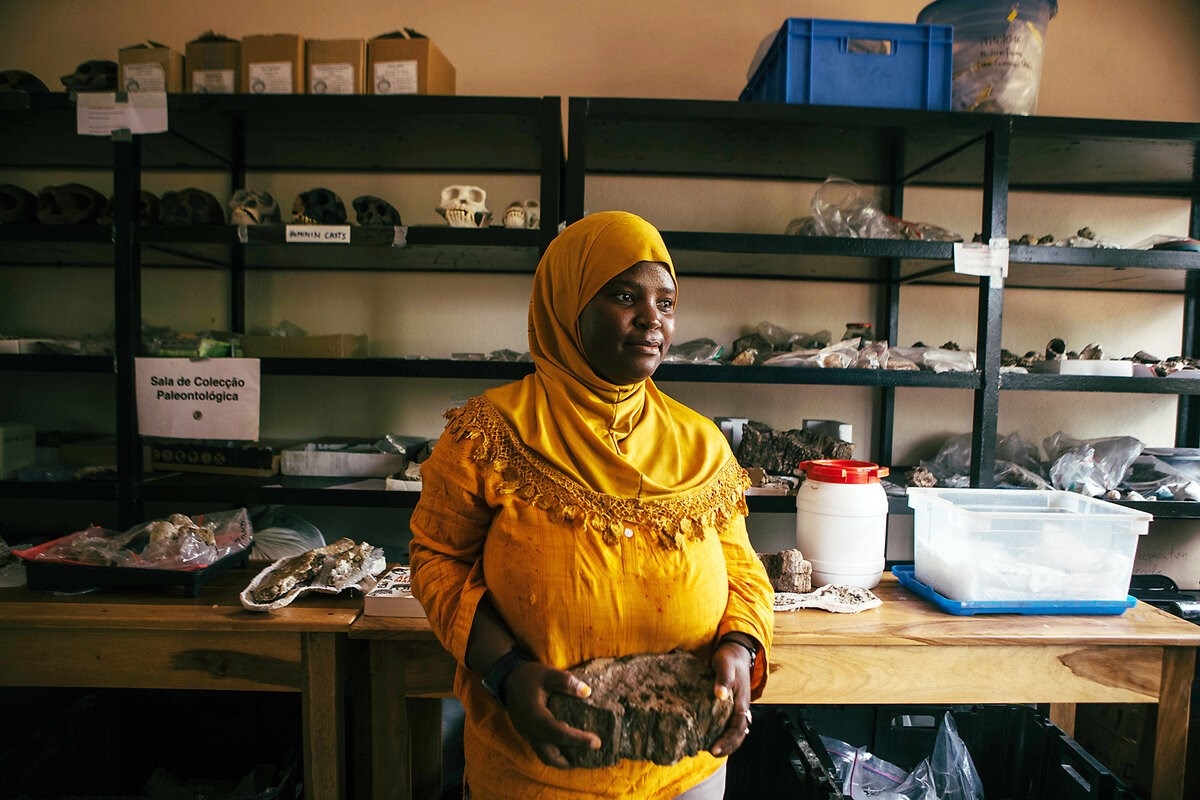 Kang-Chun ChengANCIENT ARCHIVE: Ms. Farassi holds fossil wood in the park’s Paleontology Lab, which houses a modern fossil reference collection.
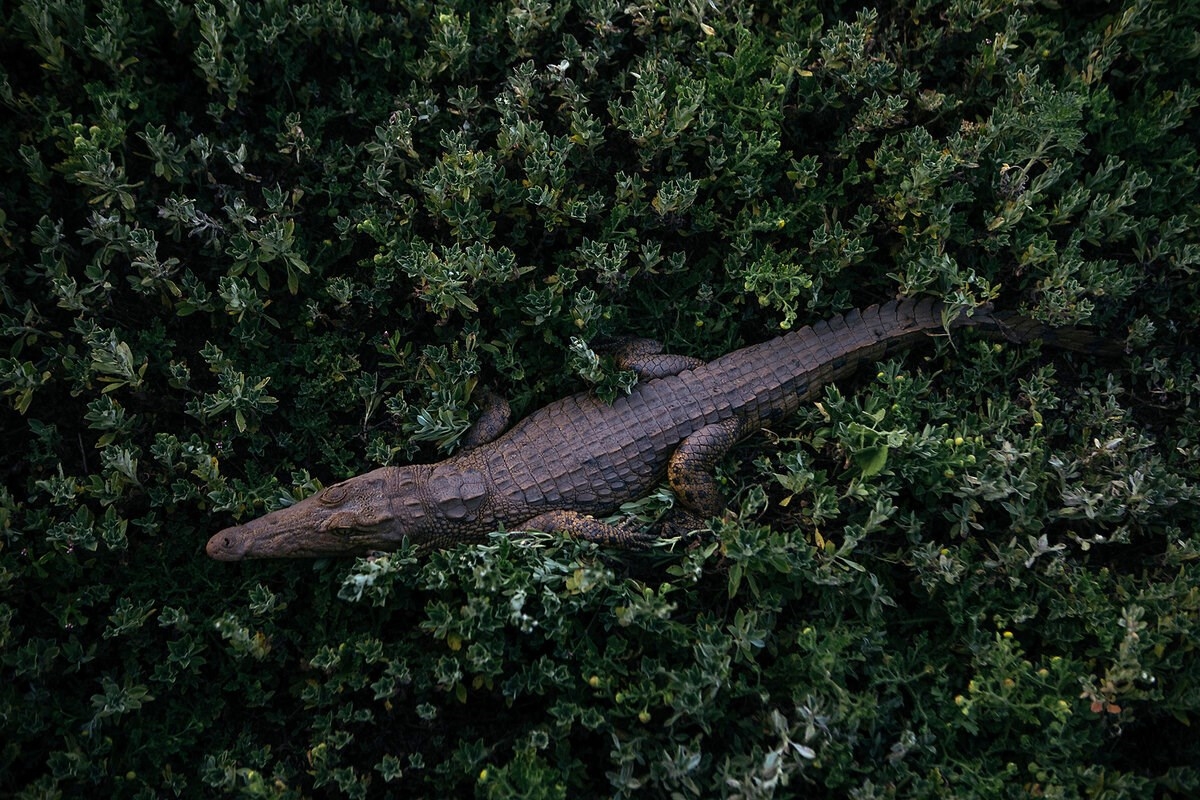 Kang-Chun ChengBIODIVERSITY: A Nile crocodile lies near a watering hole. The park’s crocodile population is close to 3,000.
Page created on 5/7/2026 9:52:38 AM
Last edited 5/7/2026 10:03:11 AM