I Refuse to Kill, directed by Francesco Da Vinci, has been selected as a finalist in the 22nd MY HERO International Film Festival. The short film is part of an ongoing documentary that tells the story of Da Vinci’s decision to become a conscientious objector during the Vietnam War and his subsequent work as a peace activist.
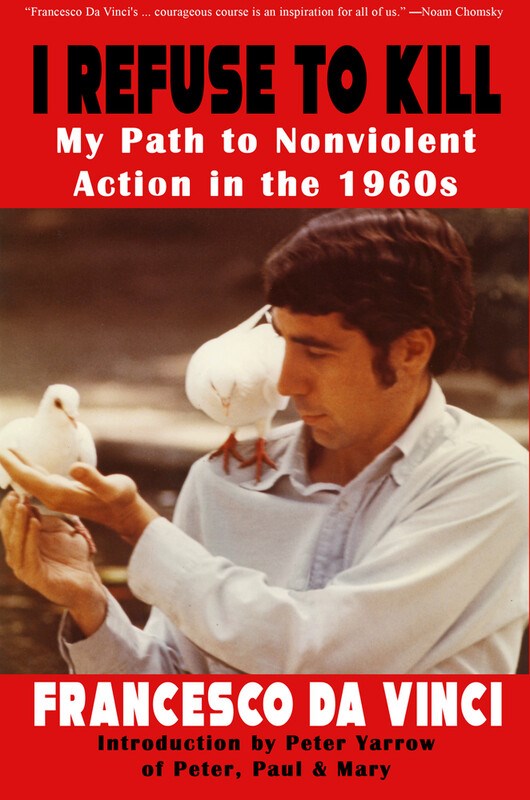 I Refuse To KillPosterFrancesco is a filmmaker, photojournalist and writer whose career has spanned photography, film and science journalism. His photographs have appeared in publications including Time, Newsweek, The New York Times and Life, and he has worked as a special unit photographer for Universal Studios.
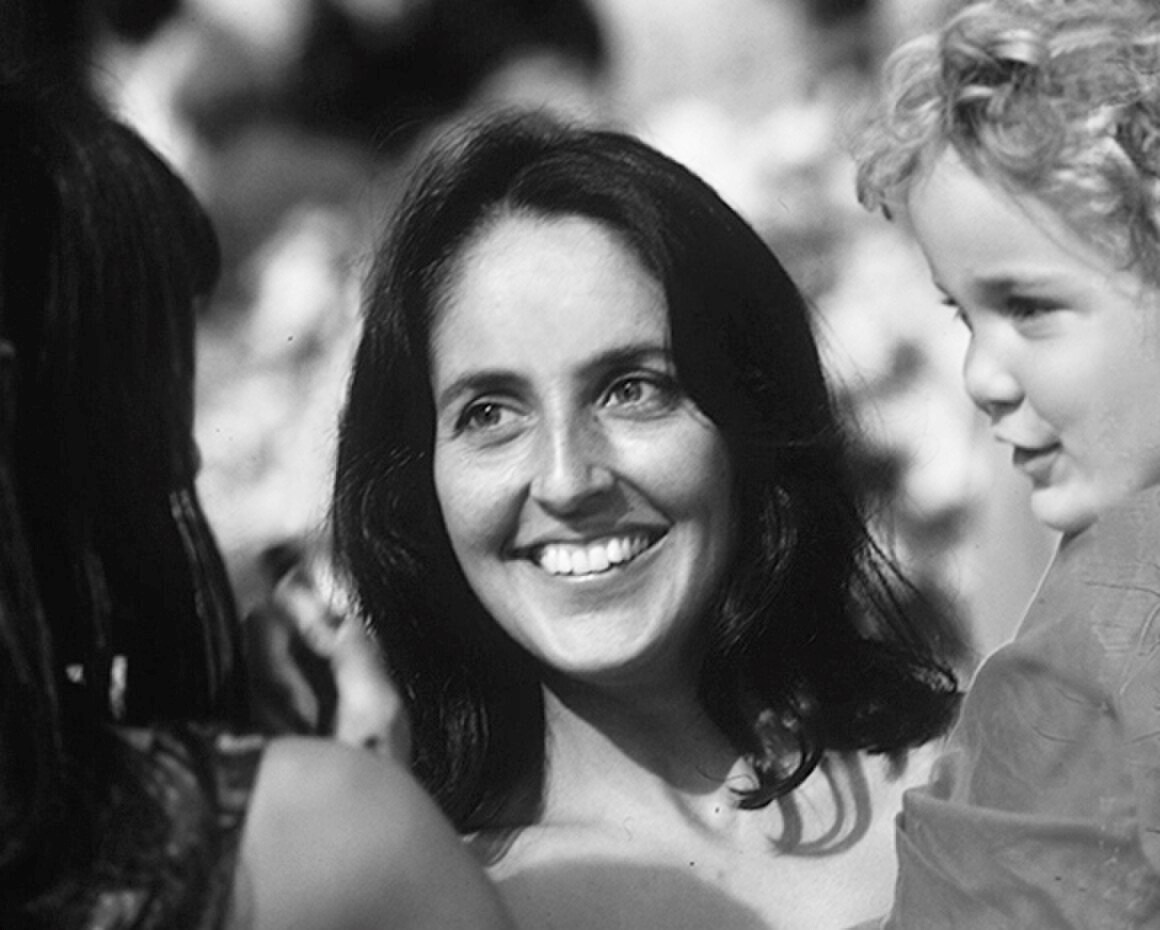 Joan Baez
Alongside his creative work, Da Vinci has produced the short films Both Sides Now and I Refuse to Kill, and has written more than 200 articles for film and science magazines. He also hosts discussions on subjects ranging from space exploration to artificial intelligence and has spoken about nuclear disarmament and the need for safeguards around AI.
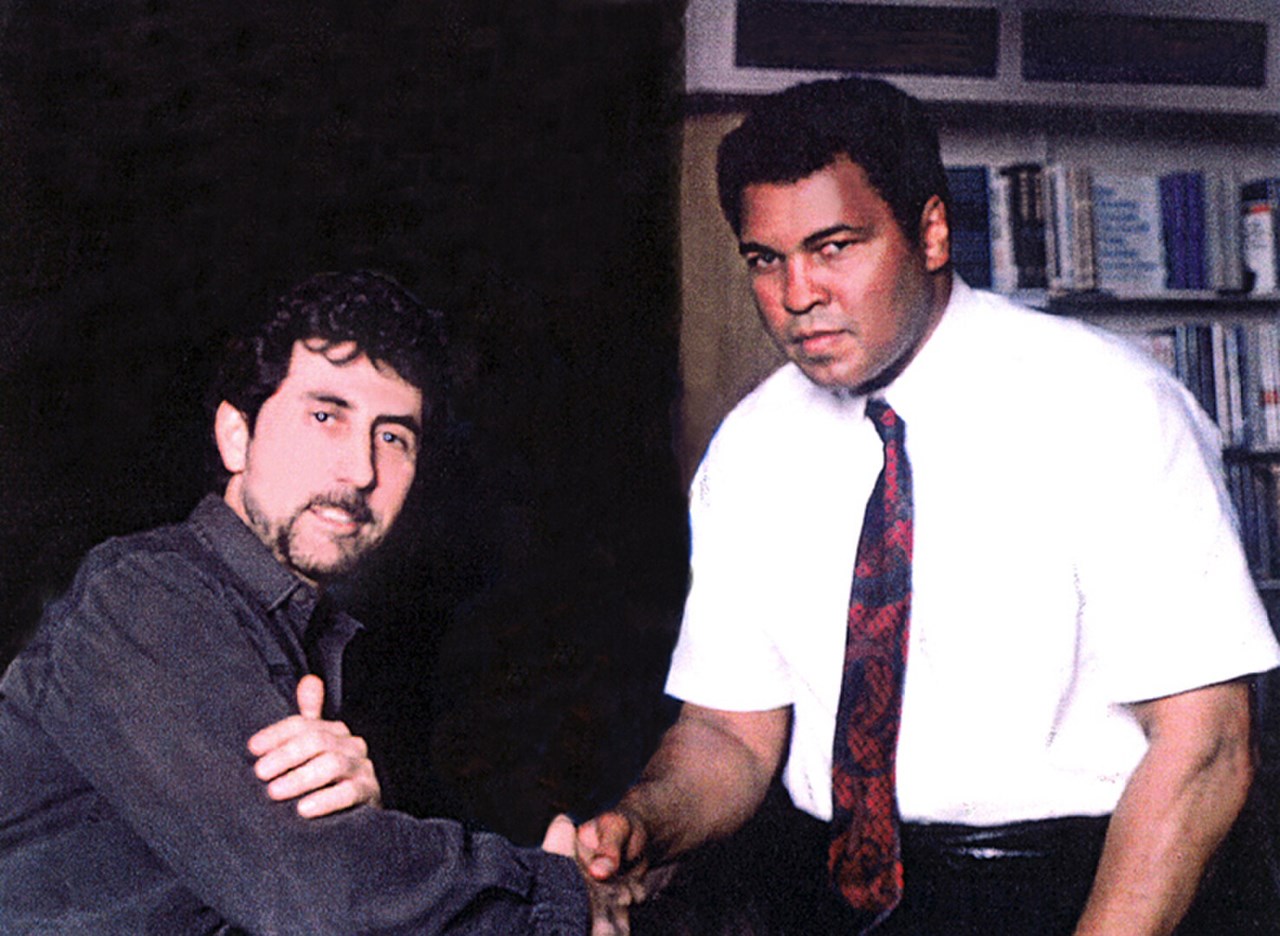 Muhammad Ali
His film I Refuse to Kill draws on his own experience as a conscientious objector during the Vietnam War. Now, through a documentary in progress, he is revisiting that experience and asking what his story can tell us about war, conscience and nonviolent resistance today.
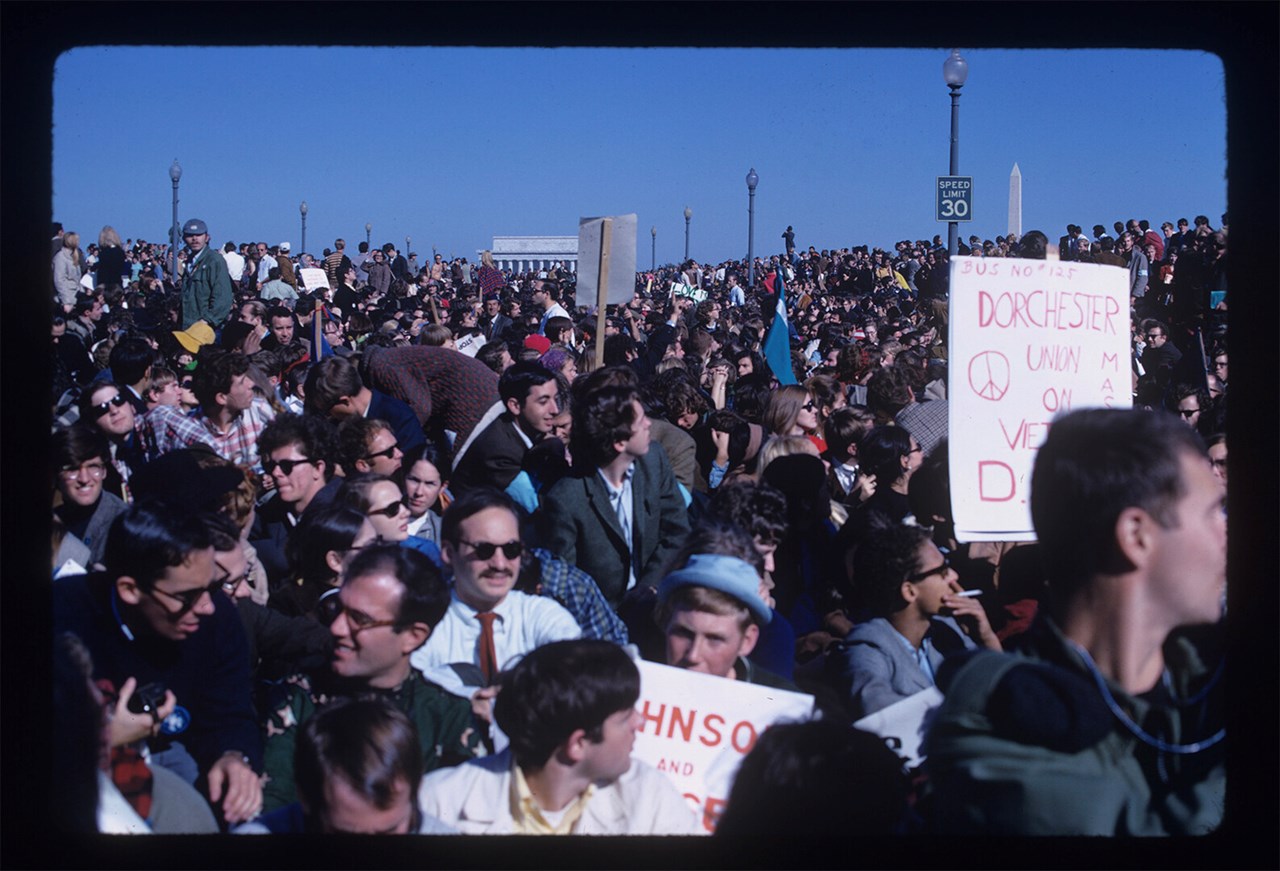 March on the Pentagon, 1967
In the 1960s, as the United States became increasingly involved in the Vietnam War, Da Vinci faced a difficult choice. Unwilling to participate in the killing, he challenged his Virginia draft board to recognise him as a conscientious objector. If his case failed, he risked up to five years in prison.
His decision came at a personal cost. His position attracted hostility that extended beyond him to his family and fiancée. Yet, rather than remain a bystander, Da Vinci became increasingly involved in the growing peace movement.
While his conscientious objector case was under appeal, he founded a San Diego peace group called Nonviolent Action. The group grew into a national movement, campaigning against the war and gaining support from prominent peace activist and musician Joan Baez and Senator George McGovern.
Based on Da Vinci’s historical memoir of the same name, I Refuse to Kill explores the personal challenges, relationships and political struggles that shaped his experience. It also seeks to bring greater attention to the contributions of conscientious objectors and nonviolent activists whose stories, Da Vinci argues, have often been overlooked in accounts of the period.
But why revisit the story now?
For Da Vinci, the principles that guided his actions in the 1960s remain relevant today. From the invasion of Ukraine and the suffering in Gaza to continuing conflicts around the world, he sees an urgent need to consider how violence can be challenged and conflicts resolved without it.
“Today, in the face of Putin's invasion of Ukraine, the suffering in Gaza, and the U.S. War in Iran, I'm still at war with war,” he says.
The film also raises questions about freedom of conscience, social justice, government surveillance and the treatment of people who challenge authority through nonviolent action.
Musician Peter Yarrow, of Peter, Paul and Mary, has praised Da Vinci’s account for its message of individual responsibility and the power of peaceful resistance.
“This amazing timely story confirms that one person, acting with courage and conviction, can successfully oppose war and help change a part of history,” Yarrow says. “Francesco Da Vinci’s story reminds us that acts of conscience are never pursued in vain.”
Through I Refuse to Kill, Da Vinci invites audiences to revisit a turbulent period in American history and consider what it means to stand by one’s principles, even when doing so carries significant personal risks. His story asks us to reflect on the role each individual can play in challenging injustice and seeking a more peaceful world.
MY HERO interviewed Francesco about his decisions to make the film now:
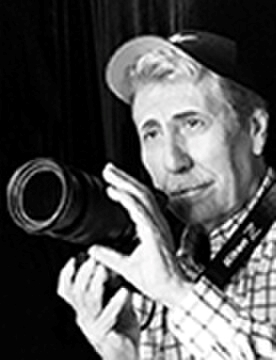 FrancescoHead Shot
What made me decide my story also needed to be told through film?
After I completed my memoir as a peace activist and conscientious objector to the Vietnam War, friends told me my book had a strong humanistic and cinematic quality and that it should be adapted to film. Having a passion for movies since childhood, I was immediately on board with that!
What do you hope the completed documentary will reveal that audiences may not yet know about your experiences or the wider peace movement?
First, few people know what a conscientious objector is. The myth is that they are “draft-dodgers.” The reality is that if COs are not accepted by their draft boards, they willingly go to prison. That’s certainly not draft-dodging. Second, the ‘60s peace movement has still not been given its due. As historian Howard Zinn pointed out, the ‘60s produced the strongest progressive and anti-war generation in the history of America.
Why is it important to tell the story of conscientious objectors and nonviolent activists, whose experiences you feel have often been overlooked in the historical record?
Internationally, COs and nonviolent activists have been stigmatized, tortured, and even killed. Their courageous sacrifices are not in our history books and they should be.
What do you hope young people, particularly those who have grown up in a very different world from the one I experienced in the ‘60s, will take away from my story?
First and foremost—Stay positive. Don’t give in to cynicism and negativity. Life is hard enough without contributing to adversities from within! The power of positivity and nonviolent action are greatly underestimated. As writer Alice Walker said, The way people give up their power is by thinking they do not have any.
Can a film change the way people think about war and nonviolence? What would you like audiences to question or reconsider after watching I Refuse to Kill? Yes, film can change the way people think about war and nonviolence. Film has the power to raise empathy, to educate, and to demonstrate that wars do not work in the long-run. After watching my film, I would like audiences to recognize that courage conscientious objectors and nonviolent peace activists have demonstrated since the earliest beginnings of America. Those who bravely wage peace are our unsung heroes.
What comes next for the documentary, and what would I most like to achieve by bringing this story to a wider audience?
Next is lining up an experienced documentary producer. By bringing my story to a wider audience, we want to raise hope and inspire more people to use the power of nonviolent action - which singer Joan Baez aptly called “organized love.”
Page created on 10/17/2026 5:21:55 PM
Last edited 10/17/2026 6:10:51 PM