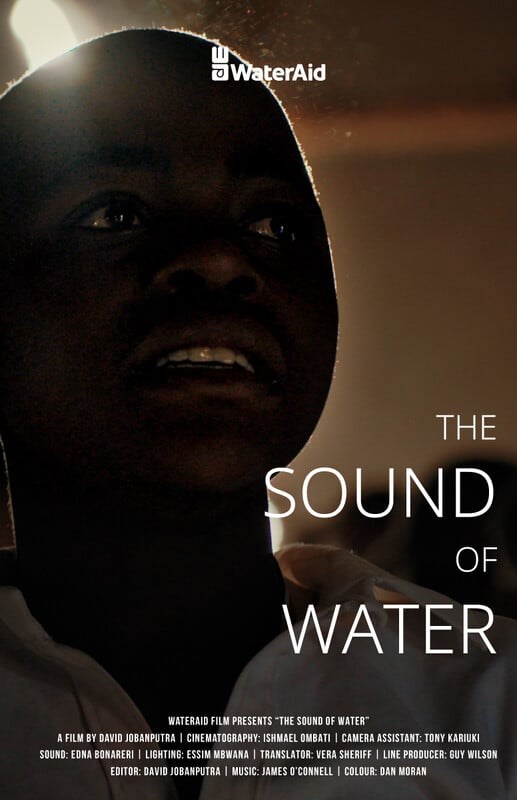
Directed by David Jobanputra, The Sound of Water explores how access to clean water can change lives in a community in Malawi, bringing not only practical benefits but also new opportunities for joy and hope.
In 2021, WaterAid brought clean water to 131 households in Chinganji, Malawi. With less time spent collecting water, children have more time for school, family and other activities.
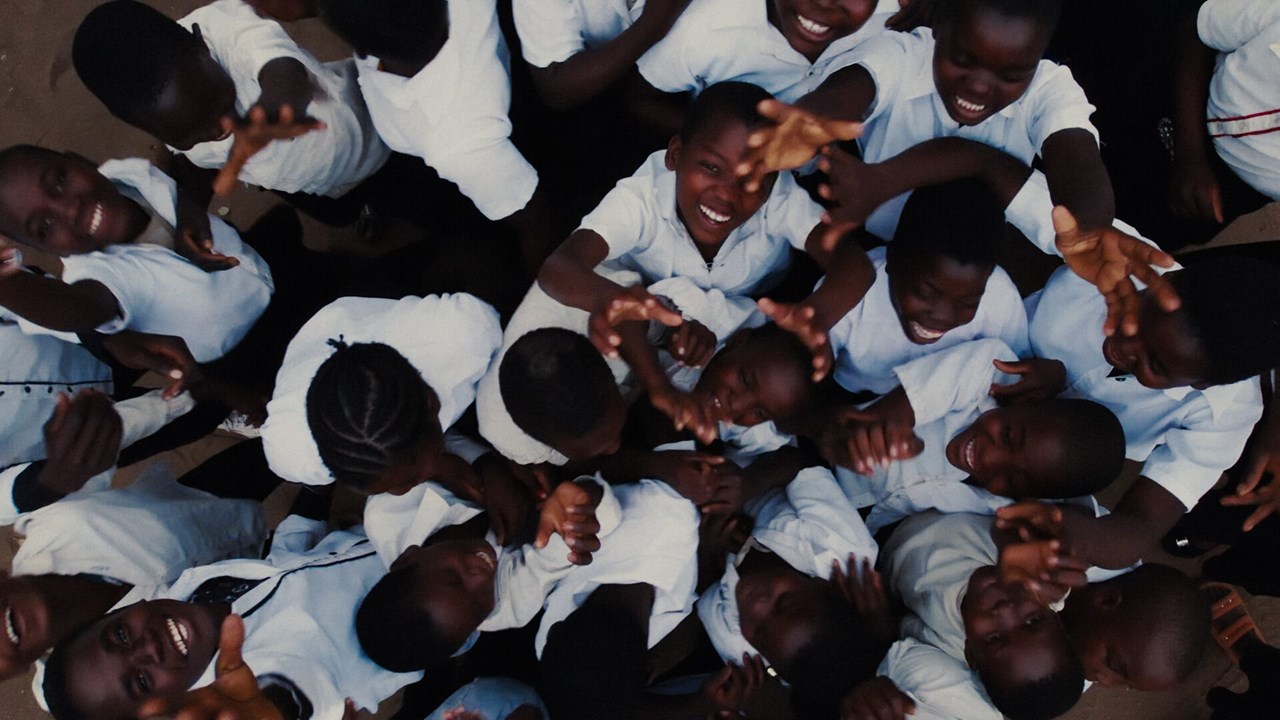
Three afternoons a week, the children of the Matamando Choir gather at M’doko Baptist Church. Their crisp white shirts stand out in the afternoon light streaming through the rough-brick windows. There is no electricity and little equipment, but as the children begin to sing, their voices fill the church, lifting the roof with the power of their music.
The film captures a moment of pure joy, showing how something as fundamental as access to clean water can make space for creativity, community and hope. In a place where economic and environmental challenges make life difficult, having water close to home gives people more choices and the chance to look towards the future.
About the Director
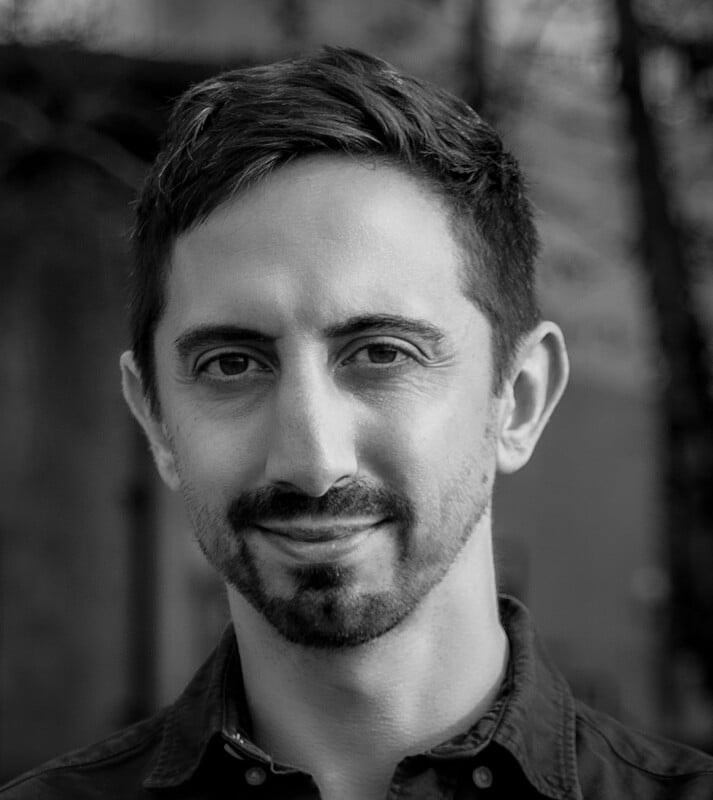
Dr David Jobanputra is an anthropologist and filmmaker whose work focuses on human rights, international development and environmental ethics. He brings together academic research, development policy and documentary filmmaking.
His previous work includes ethnographic films exploring collective action in Chhattisgarh, in collaboration with the University of Exeter, and economic abuse in Bihar, with Sheffield Hallam University. He has also produced academic documentaries for the University of East Anglia.
Earlier in his career, David worked as a specialist current-affairs editor for LBC radio, producing short documentaries on subjects including assisted suicide, people smuggling and gun crime in the United States.
He currently works as a Film Producer at WaterAid, the international organisation dedicated to improving access to water, sanitation and hygiene.
Find out more: www.bonanomie.com
Interview with Dr David Jobanputra:
What inspired you to make The Sound of Water, and how did the idea for the film come about?
The film was conceived as part of WaterAid's 2024 Winter Campaign "Where There's Water", which sought to highlight the potential of clean water to change people's lives in myriad, often unexpected and beautiful ways. (WaterAid is an international non-governmental organisation, focused on water, sanitation and hygiene.) When we came across the Matamando Choir, we were blown away by the power of their music. It strikes you at the core of your being - hairs raised, skin prickling, chest full to bursting. It is song at its most essential – a pure expression of joy, both message and medium. And, all this was made possible by access to clean water.
The film connects access to clean water with the joy of music. How did you come to see the Matamando Choir as a way of telling this story?
In 2021, WaterAid brought clean water to 131 households in Chinganji, Malawi. As part of our 2024 Winter Campaign, we returned to Chinganji to see how people's lives had been transformed by the arrival of clean water. There were countless tales of girls now able to attend school (rather than collecting water), farmers growing more food, women setting up small businesses, and the like. But I was keen to find a story that was simple, beautiful and, most importantly, uniquely suited to the medium of film (rather than, say, writing and photography, our other main content forms). The Matamando Choir ticked all these boxes. Moreover, the choir were eager for us to film with them for the purposes of their own self-promotion. (There was no electricity in Chinganji, let alone professional recording facilities, so being able to produce music videos and audio recordings with them, which they could then keep and disseminate themselves, made this a genuinely symbiotic collaboration.)
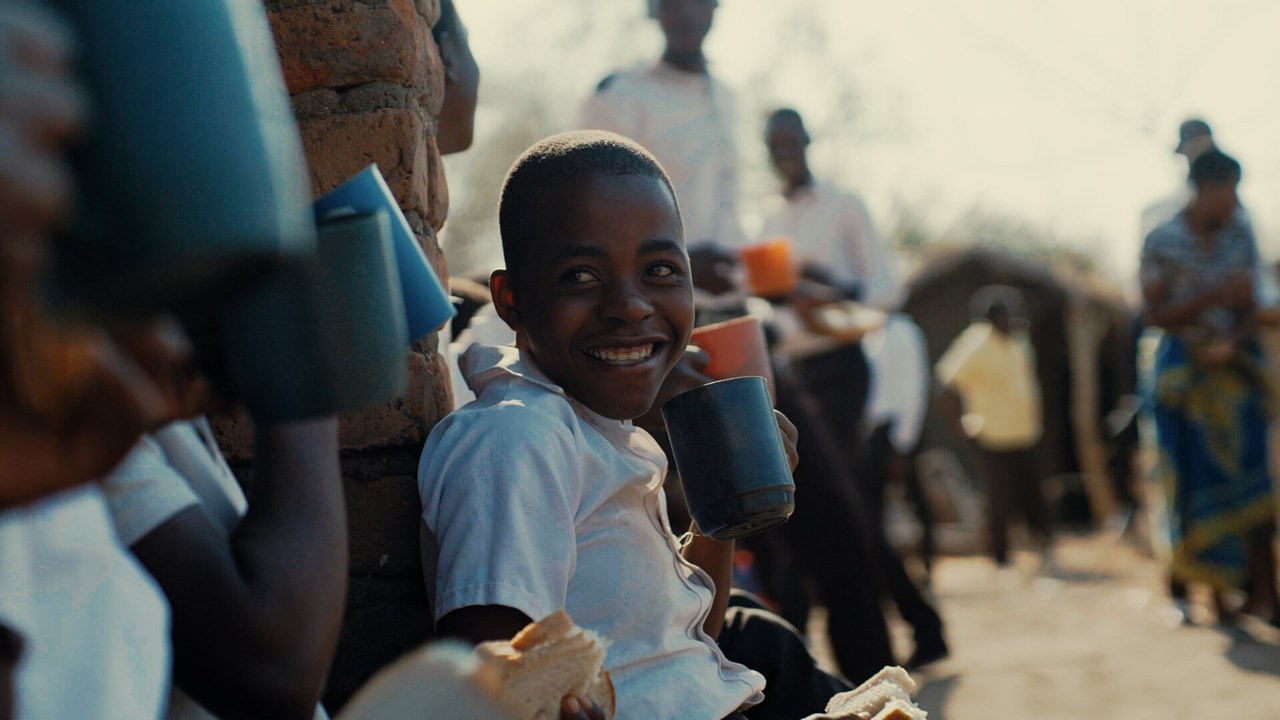
What was it like meeting the children and spending time with the choir at M’doko Baptist Church? Was there a particular moment that stayed with you?
Spending time with the Matamando Choir was an experience I'll never forget. I first visited the area in June 2024 to conduct a "recce", scoping out potential subjects for the campaign film. I met dozens of people with fascinating stories of entrepreneurship and opportunity made possible by clean water. But when we came across the choir practising one hazy afternoon, everything changed. Hearing them singing for the first time, the walls resounding and the tin roof quaking in its moorings, we were speechless. We came back to the UK, wrote up a treatment for the film and arranged a crew to accompany us on a return visit a few months later. That was an emotional moment: being there with a full film crew, especially an experienced sound recordist, when the choir sang, knowing we were capturing that beautiful music for the world to hear, just as Rodrick, the choir master, had dreamed.
Your work combines anthropology, documentary filmmaking and international development. How does your background influence the way you approach a story like this?
As an anthropologist, what interests me most is authenticity. The aim of anthropology is to truly, deeply understand a particular community or phenomenon. And for this, you have to live and breathe it, through long-term fieldwork. Anthropologists spend years, and sometimes even decades, living and working in their study communities, speaking the language, participating in work and social events – essentially, learning the culture. This method is called participant-observation, and it’s absolutely central to what anthropologists do. Put simply, anthropologists believe that you can only understand another culture by sharing people’s everyday lives and trying to experience things from within, rather than from outside. It’s all about authenticity. We’re trying to understand other people’s realities as they see it, not as we see it. When it comes to anthropology-inspired documentary filmmaking (sometimes referred to as ethnographic filmmaking), this means representing people and phenomena (such as the Matamando Choir) in a way that is accurate, respectful, consensual and collaborative, without imposing (as much as possible) an external narrative on proceedings. It's about showing the broader social context of action, foregrounding people's own voices and cultural understandings.
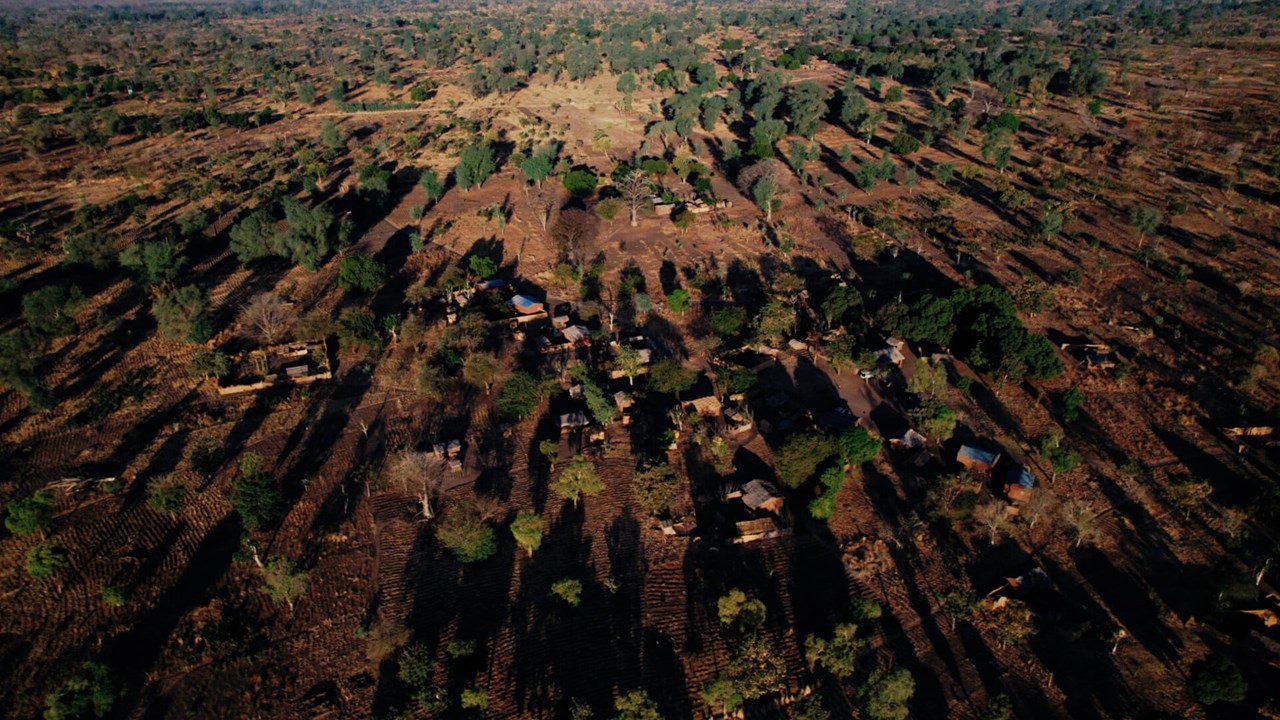
What do you hope audiences will take away from The Sound of Water, and is there anything you would particularly like them to understand about the relationship between water, opportunity and hope?
One in ten people globally do not have clean water close to home. As a result, families, usually women and girls, spend hours a day collecting water. Without clean water, diseases like cholera and typhoid can be fatal – but with clean water comes potential for communities to thrive. Where there’s water, there’s health, joy, childhood, and possibility.
About the MY HERO International Film Festival:
The MY HERO Film Festival is an annual event dedicated to showcasing films that celebrate the power of the human spirit. The festival provides a platform for filmmakers to share inspirational stories of everyday heroes. Thanks to generous sponsors, prizes are awarded to elementary, middle school, high school, college and professionals in a variety of categories, including documentary, narrative, music video, animation, experimental, and more.
The festival aims to inspire audiences to recognize the heroism in their own lives and encourage positive actions in their communities. Learn more.
Page created on 10/28/2026 4:14:11 PM
Last edited 11/4/2026 5:52:32 PM