CONTACT: FOR IMMEDIATE RELEASE
Abigail Richardson
Editor
The MY HERO Project
[email protected]
The MY HERO Project is proud to announce filmmaker Kevan Doyle as a finalist for the 2026 Sylvia Earle Ocean Conservation Award for his short documentary “Caught,” a film examining how discarded fishing nets contribute to the global ocean plastic crisis and how one Sri Lanka-based company is working to address it.
 Image from "Caught"Courtesy of Kevan Doyle
Centered around Good Catch, a fishing net recycling initiative of Lanka Upcycles, “Caught” explores the company’s efforts to recover and recycle abandoned fishing nets - a major but often overlooked source of ocean pollution. Partnering with Phoenix Industries for manufacturing, Good Catch intends to reuse fishing nets to make fins. While public conversations around plastic waste frequently focus on single-use consumer products, Doyle sought to highlight the fishing industry’s role in generating marine debris and the communities attempting to create sustainable solutions around it.
“I was always inspired by writers like Hemingway who had this huge amount of life experience to draw from, and I wanted that for myself,” Doyle said in a statement to MY HERO.
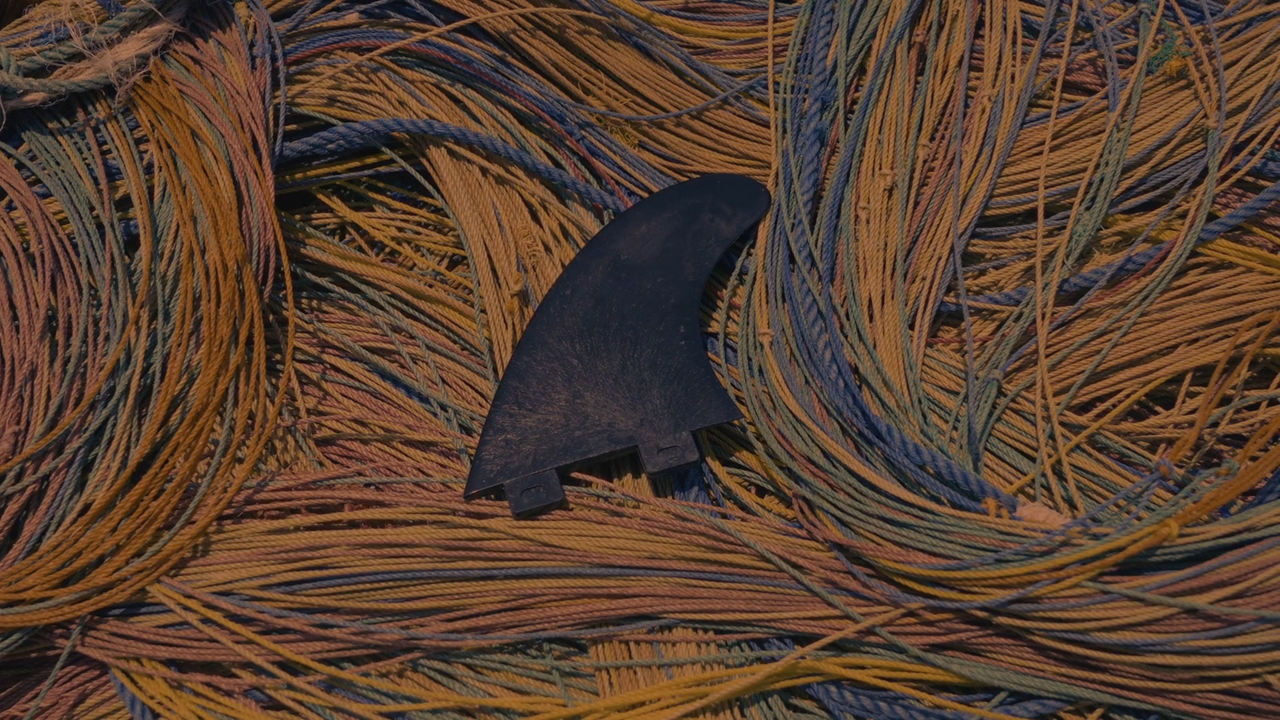 Image from "Caught"Courtesy of Kevan Doyle
Doyle first learned about Lanka Upcycles through a friend after previously spending time in Sri Lanka. Originally impressed by the company’s fair-trade products made from recycled rice bags (as part of Rice & Carry), he became increasingly interested after hearing about their fishing net recycling initiative, which became the basis for “Caught.”
The documentary was almost entirely self-funded and created independently by Doyle, who estimated the total production cost at around $2,000. Traveling to Arugam Bay in Sri Lanka alone, Doyle handled filming and editing himself while collaborating with musicians Joshua Crispin and Arn Anderson on the film’s original music and Greg Schorer on post-production sound design.
“I also think the original music by Joshua Crispin and Arn Anderson added a huge emotional layer to the film and helped bring that feeling to life,” Doyle added about their contributions.
Throughout “Caught,” Doyle attempts to present a more nuanced perspective on sustainability and waste in developing nations, emphasizing that environmental responsibility is often tied closely to economic realities. Rather than solely focusing on pollution itself, the film highlights how attaching economic value to discarded materials can help create long-term behavioral and environmental change within local communities.
“I think film has the ability to make people feel connected to issues they otherwise might never think about,” Doyle said. “Facts alone usually don’t move people emotionally, but stories do.”
Below are selected excerpts from an interview with Doyle, shared with MY HERO:
Do you have a mentor or personal hero that has inspired you?
I used to intern for Chris Burkard, and he was a huge inspiration for me early on, especially seeing someone combine adventure, storytelling, and purpose in a real way. Beyond that, a lot of the filmmakers and people I admire most are those who genuinely followed what they loved and used it to make a positive impact.
People like Sylvia Earle or David Attenborough have always inspired me. There’s something special about people who dedicate their lives to something bigger than themselves. I think pursuing what you truly love gives people a certain energy and perspective that’s hard to fake.
What inspired you to make this type of film?
I grew up by the ocean, so it’s always been something I felt deeply connected to. When I stumbled across this project, it immediately stood out to me because it highlighted a side of ocean pollution most people never really hear about.
Everyone knows about plastic straws at this point, but very few people realize that a massive percentage of ocean plastic actually comes from the fishing industry, especially discarded nets. Straws became the symbol people focused on, but comparatively they make up a tiny percentage of the problem.
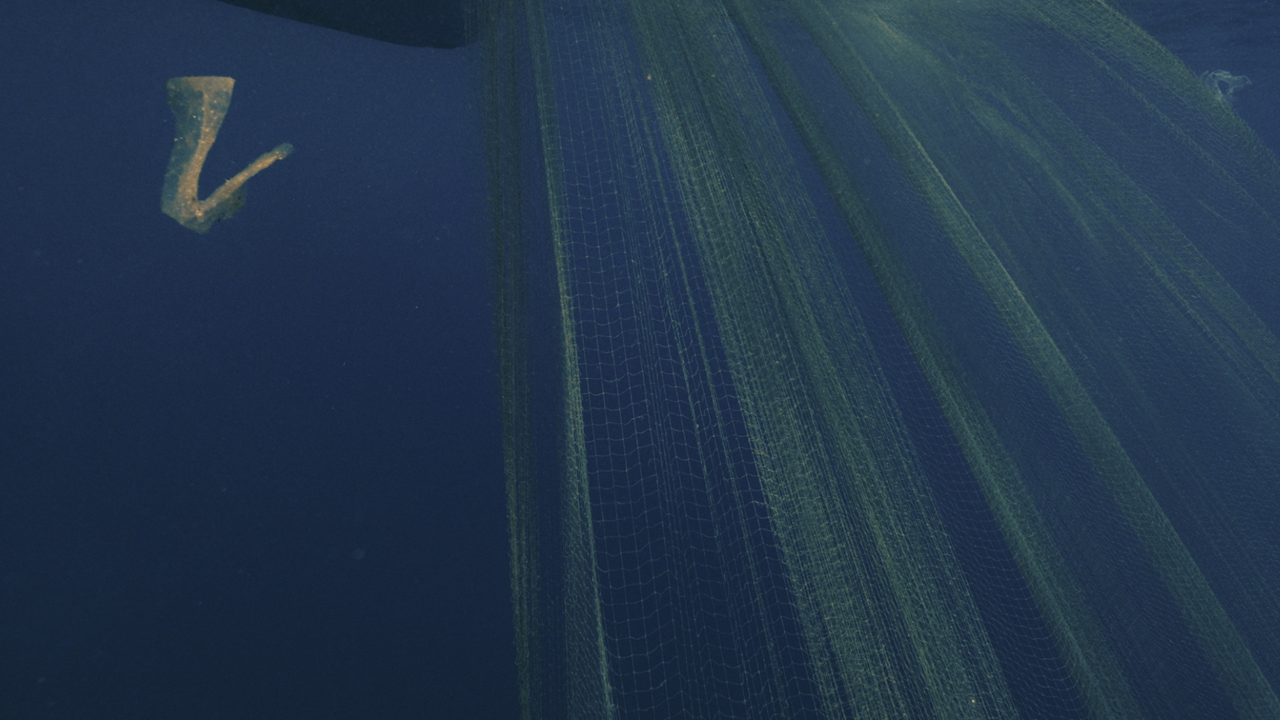 Image from "Caught"Courtesy of Kevan DoyleI wanted to help tell a story that felt more nuanced and hopefully shift people’s understanding of where a lot of this waste is actually coming from.
You mention shooting this documentary entirely by yourself. What was that like for you?
Yeah, this was a completely self-funded project that I shot entirely on my own. Looking back, it was honestly a pretty ambitious thing to try and do solo, especially in another country.
I had help from Joshua Crispin and Arn Anderson, who created an original song for the film, and Greg Schorer, my first cousin once removed, helped with the sound design in post. That collaboration really elevated the final piece emotionally.
But overall, most of it was just me figuring things out as I went. I never expected the project to get much attention. I really made it because I cared deeply about the subject matter and wanted to create something meaningful around ocean sustainability.
That’s honestly why all the positive response the film has received has meant so much to me.
In your TEDxManhattanBeach talk on the documentary, you mention there being multiple challenges in making it. What inspired you to keep going?
Honestly, I think I just have this deep need to create. I don’t really know another way to explain it.
Projects like this are my dream. I love being immersed in different worlds, being close to real people and real stories, and trying to create something that actually matters. Even when things get difficult, that feeling always keeps pulling me forward.
I also think becoming a great filmmaker only happens by actually going out and doing the work, even when it’s uncomfortable or uncertain.
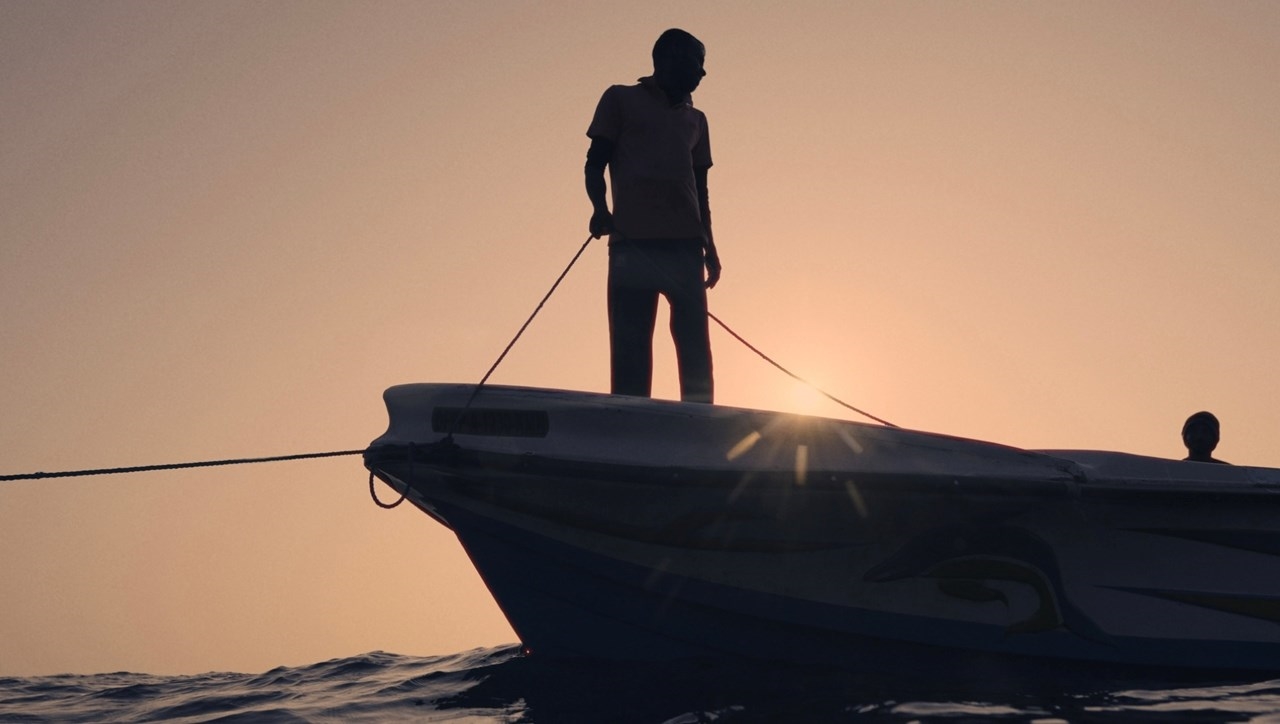 Image from "Caught"Courtesy of Kevan Doyle
What do you feel are the particular strengths of “Caught?”
Some of my favorite moments are the scenes on the fishing boats. Watching the fishermen pull up the nets with their hands felt incredibly raw and beautiful to capture.
I was also really happy with how the underwater shots turned out, especially considering I didn’t even have fins or goggles at the time, which made filming underwater way harder than it probably should have been.
Beyond that, I think the natural beauty of Sri Lanka adds a lot to the atmosphere of the film. The one thing I do wish I had was a translator on set. I would have loved to let more people fully express themselves in their own language because I think that would have added another emotional layer to the story.
What were you hoping to change with this documentary?
More than anything, I wanted to shift people’s perspective on waste and sustainability, especially in developing countries.
I think a lot of people judge these issues without realizing that caring about sustainability is often a privilege. When you’re struggling to survive day to day, environmental impact usually isn’t your first concern.
But when waste suddenly has value attached to it, it can completely change behavior and create long-term sustainable habits within communities. That idea was really at the heart of the film for me.
If you were to make this documentary longer, what direction would you have taken it?
I would probably expand it into a larger series of interconnected stories about ocean advocates around the world.
I love the idea of weaving together different people, cultures, and environmental solutions into one larger human story. Showing both the scale of the problems we face and the people actively trying to solve them.
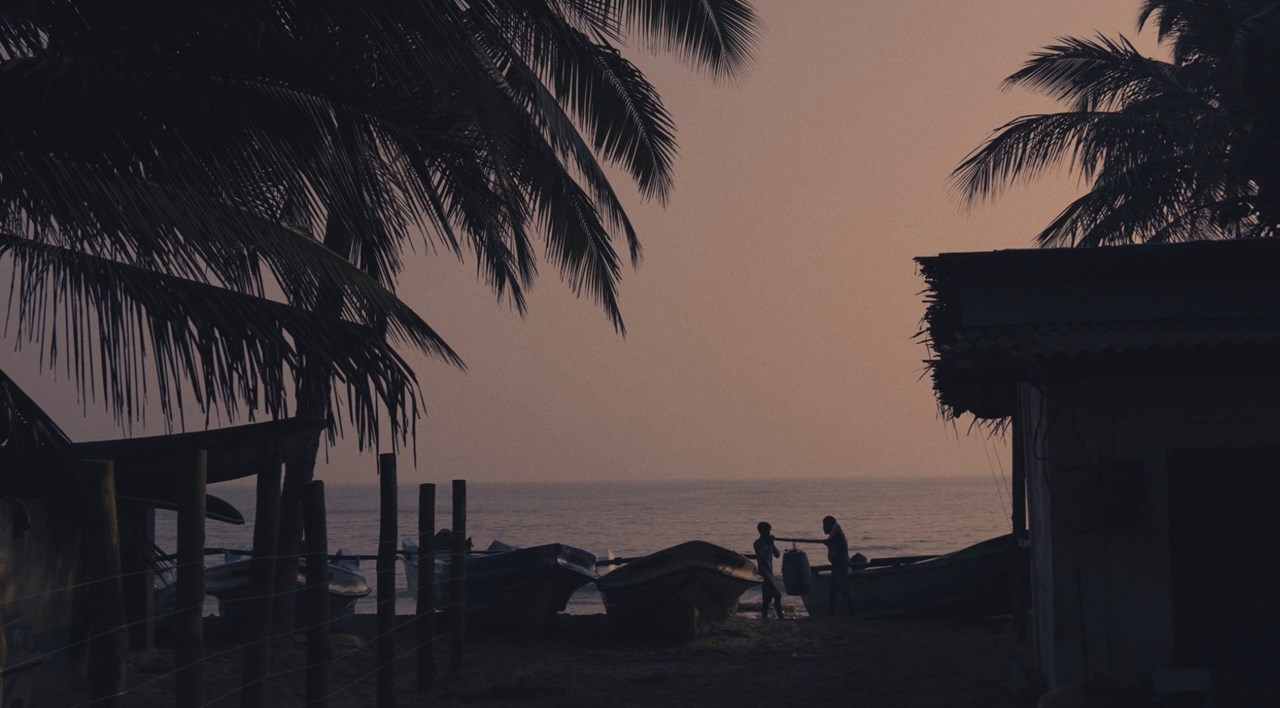 Image from "Caught"Courtesy of Kevan Doyle
Do you think you’ll make another environmentally focused documentary? If so, on what?
Definitely. I absolutely want to continue making environmental films.
The biggest challenge is honestly just time and funding. Projects like this take an incredible amount of energy to shoot and edit, especially when you’re mostly doing everything yourself.
I’ve learned how to make a lot happen with very little, but filmmaking is always better as a collaboration. Traditionally, I see myself as a director first, so being able to focus more fully on directing while having support in other areas would elevate the work tremendously.
At the end of the day, I just want to keep telling stories that matter and hopefully make people feel something real.
Watch ''Caught'' HERE
MY HERO Ocean-Minded Films Screening To Be Held At Rivian Laguna
Join MY HERO for a World Oceans Day celebration featuring a special screening of winning short films from the 2026 Sylvia Earle Ocean Conservation Award. Filmmakers and award presenters will be on hand at this special event and local organizations will be recognized for their work in protecting our oceans.
Saturday, June 6, 2026
Doors open at 6:30pm
Films start at 7:00pm
Rivian South Coast Theater
162 South Coast Highway,
Laguna Beach, CA 92651
Ocean-minded nonprofits are welcome to participate in the June 6th event. Email [email protected] for information.
About the Sylvia Earle Ocean Conservation Award
MacGillivray-Freeman Films Educational Foundation’s One World One Ocean Campaign sponsors the ‘Sylvia Earle Ocean Conservation Award’ annually at the MY HERO International Film Festival. One World One Ocean is a global non-profit campaign designed to connect people emotionally to the world's ocean. Their mission is to raise awareness of ocean degradation, to inspire audiences through cinematography and to spark a global movement to protect our seas.
Sylvia Earle is a world-renowned oceanographer, explorer, author, lecturer, leader, and research scientist who has led more than 70 expeditions, logging more than 6,500 hours underwater. Formerly chief scientist of NOAA and now a National Geographic explorer-in-residence, she was awarded the 2009 TED Prize for her proposal to establish a global network of marine protected areas, called “hope spots.”
“Sylvia Earle is our ocean hero,” said Greg MacGillivray, Chairman of MacGillivray Freeman Films, “and we hope this award inspires aspiring filmmakers to shine a spotlight on other dedicated people from all walks of life who are working tirelessly on behalf of our oceans."
Read more about the award, and its sponsors, here.
To see previous winners of the MY HERO Sylvia Earle Ocean Conservation Award, or enter for 2027, go to: myhero.com/sylvia-earle-ocean-conservation-award
About the MY HERO International Film Festival:
The MY HERO Film Festival is an annual event dedicated to showcasing films that celebrate the power of the human spirit. The festival provides a platform for filmmakers to share inspirational stories of everyday heroes. Thanks to generous sponsors, prizes are awarded to elementary, middle school, high school, college and professionals in a variety of categories including documentary, narrative, music video, animation, experimental, and more.
The festival aims to inspire audiences to recognize the heroism in their own lives and encourage positive actions in their communities. Learn more.
Page created on 5/28/2026 7:55:44 AM
Last edited 6/2/2026 7:41:54 AM