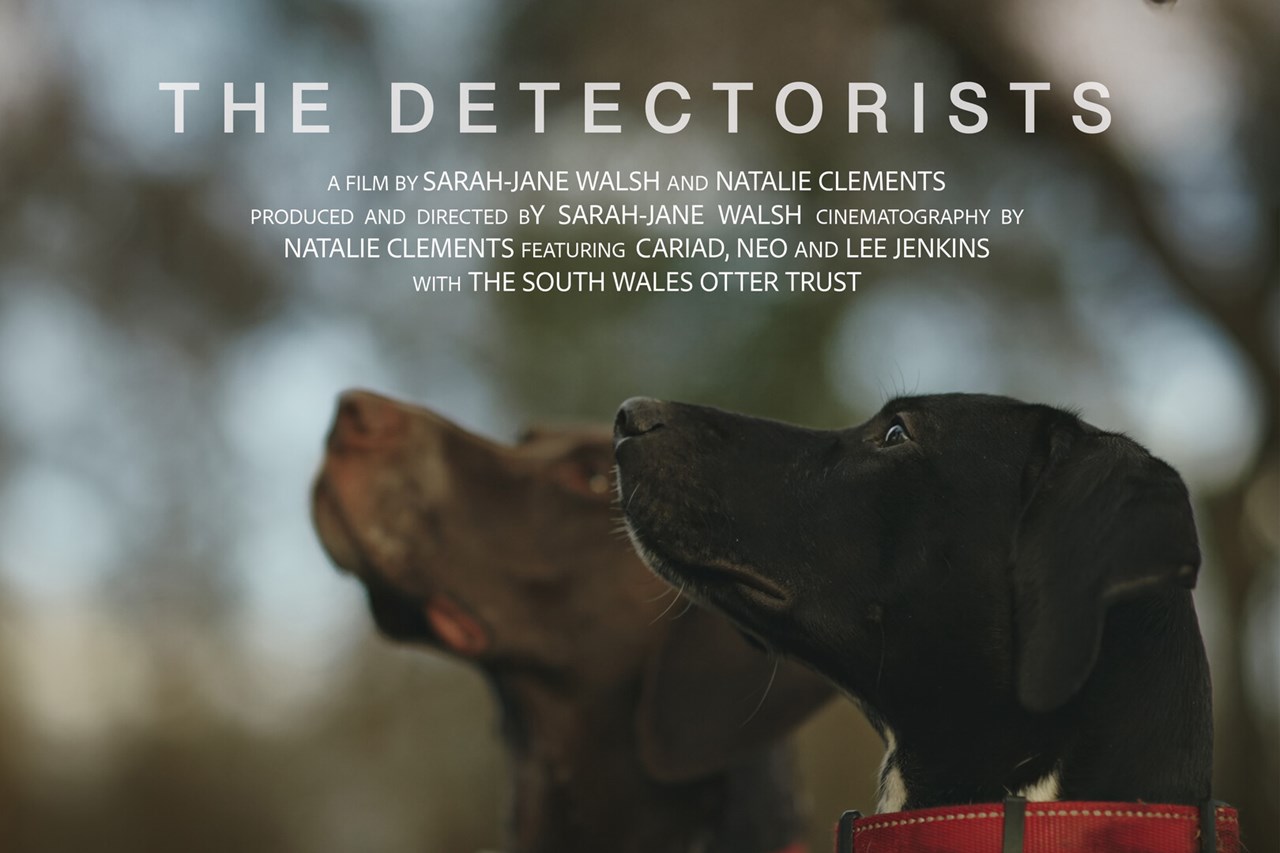
The Detectorists, directed by Sarah-Jane Walsh, is a finalist in the 22nd MY HERO International Film Festival. This uplifting film follows Cariad, a young detection dog learning to use her remarkable sense of smell to help protect one of the UK's most elusive mammals: the otter.
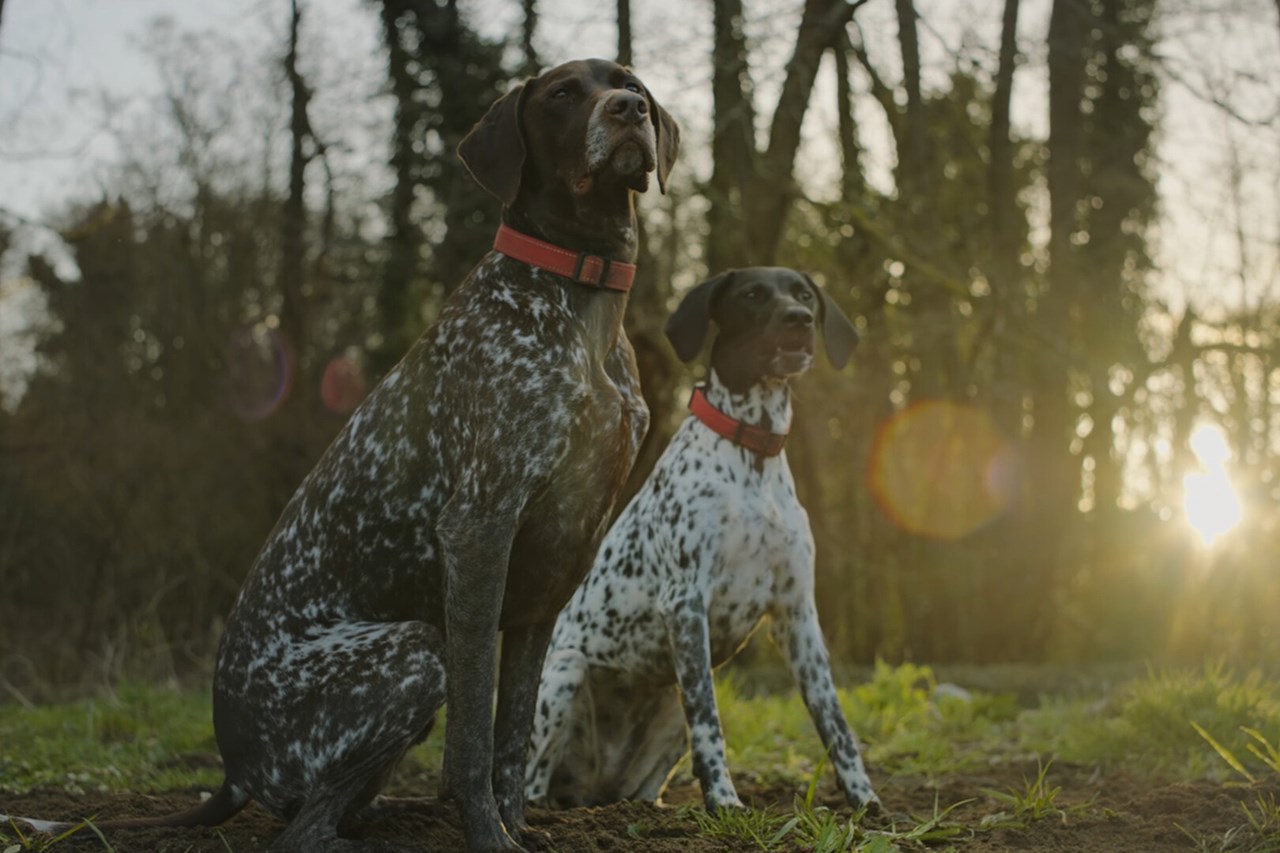
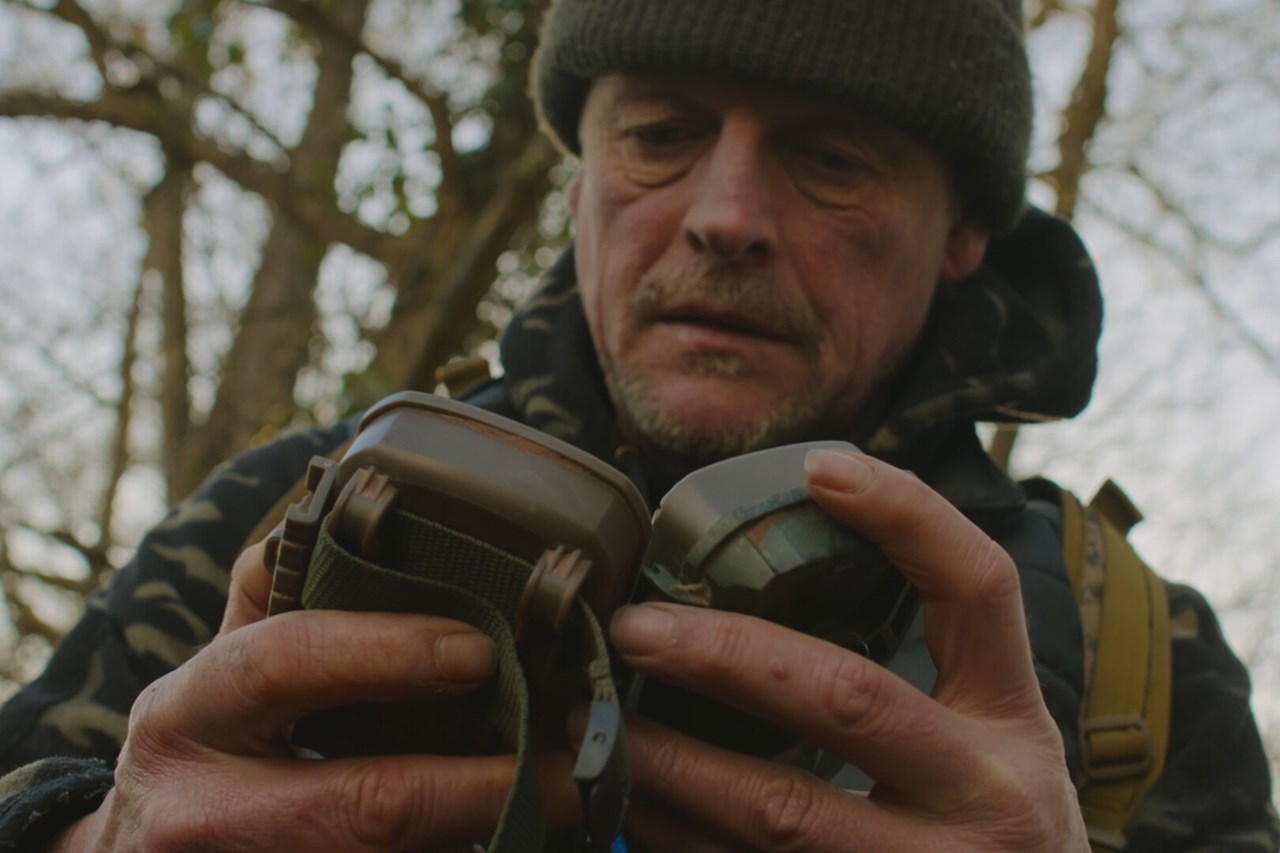
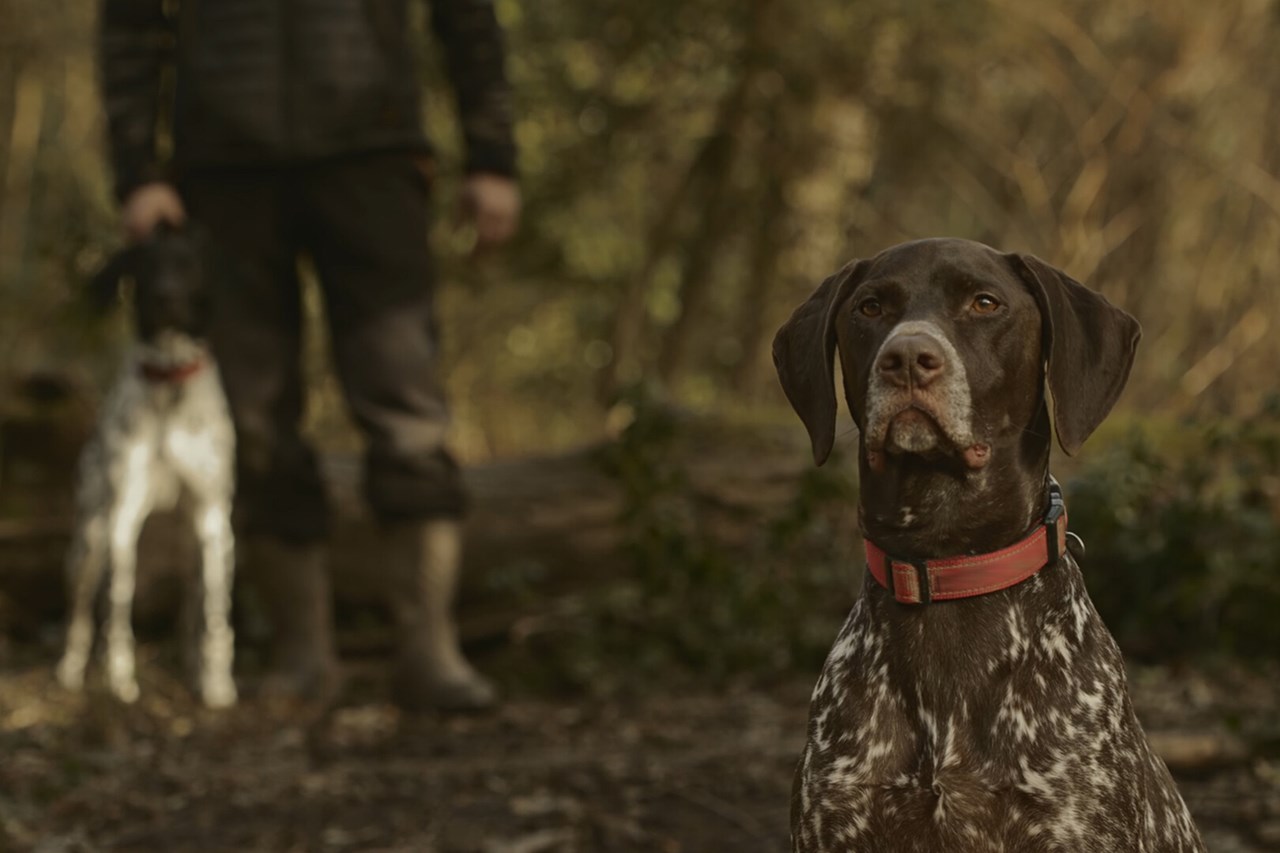
Set along the riverbanks and wetlands of rural Wales, the film follows wildlife ecologist Lee Jenkins and his experienced German Pointer, Neo, as they search for signs of otter activity. With Cariad still learning the ropes, the team relies on scent detection to identify potential otter habitats and help guide camera traps. Although otters are difficult to spot, gathering evidence of their presence is vital to protecting them and the places they live, particularly as development threatens fragile habitats.
 Credit: NClements and SJWalsh
Told from a dog's-eye perspective, the film captures Cariad's progress as she learns from Neo and works alongside Lee. Every scent trail offers a new challenge, and the young dog must prove herself as she develops the skills needed to become part of the conservation team.
 Credit: NClements and SJWalsh
Through the relationship between Lee and his dogs, The Detectorists offers an intimate look at the patience, training and dedication behind wildlife conservation. It is also a story about growing up, finding your purpose and discovering how even the smallest clues can make a difference.
About the Director
 Sarah-Jayne
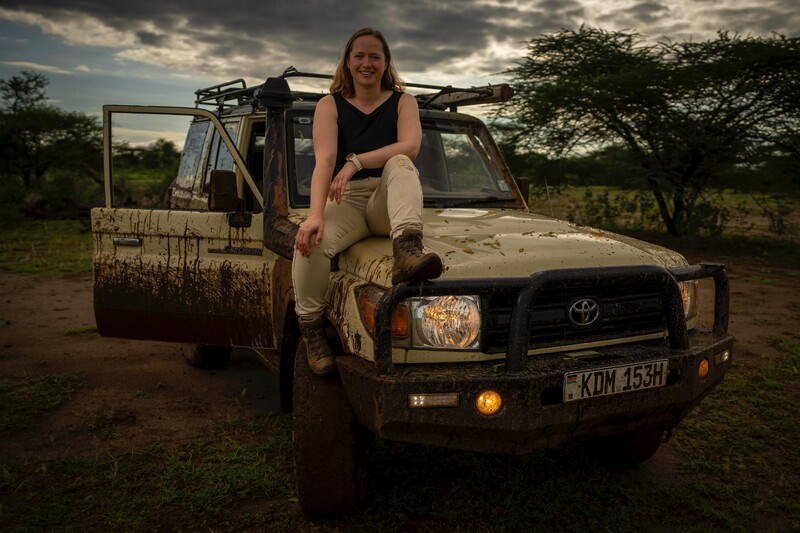
Sarah-Jane Walsh is a UK-based producer and director with more than a decade of experience making character-driven science and natural history films. Her work includes contributions to Emmy- and BAFTA-winning series such as Planet Earth II, Our Planet and Mammals.
With a PhD in marine biology, Sarah-Jane combines scientific knowledge with a strong interest in storytelling and the relationships between people and the natural world. She is particularly drawn to human-centred stories that explore conservation and give a voice to people whose work might otherwise go unseen.
The Detectorists (2024) is her debut independent short film, marking a move towards more personal, character-led storytelling. Sarah-Jane is also co-founder of the Wildlife Camerawomen Community, a board member of the Wildlife Cinematographer Diversity Fund and an advocate for greater equity in factual filmmaking.
MY HERO interviewed Sarah about her directorial decisions:
Where did the idea for The Detectorists come from? What first drew you to Lee Jenkins and his work with detection dogs?
Natalie Clements, our brilliant DOP, and I wanted to make a short film together, so we started bouncing around ideas. Natalie had met Lee and knew about the scent training he was doing with his dogs. She had previously pitched the idea to Springwatch, but it hadn't been picked up.
Around the same time, I'd seen a really fun film about dogs running trails while their owners went mountain biking. It got me thinking about whether we could tell a story from a dog's perspective, following her nose through the landscape. We brought these ideas together and pitched it to Lee, who was really excited.
From there, Natalie and I worked as a creative team to bring the film to life. We were both drawn to the dogs, but also to the beautiful landscape and the bigger story of Lee's work with otters. One real advantage was that we both lived less than an hour away, which meant we could be reactive to Lee's availability and head out whenever the light was looking beautiful. Getting that magical, glowing quality to the forest and river was really important to us.
What made you want to tell the story from the perspective of a young dog finding her feet?
 Credit: NClements and SJWalsh
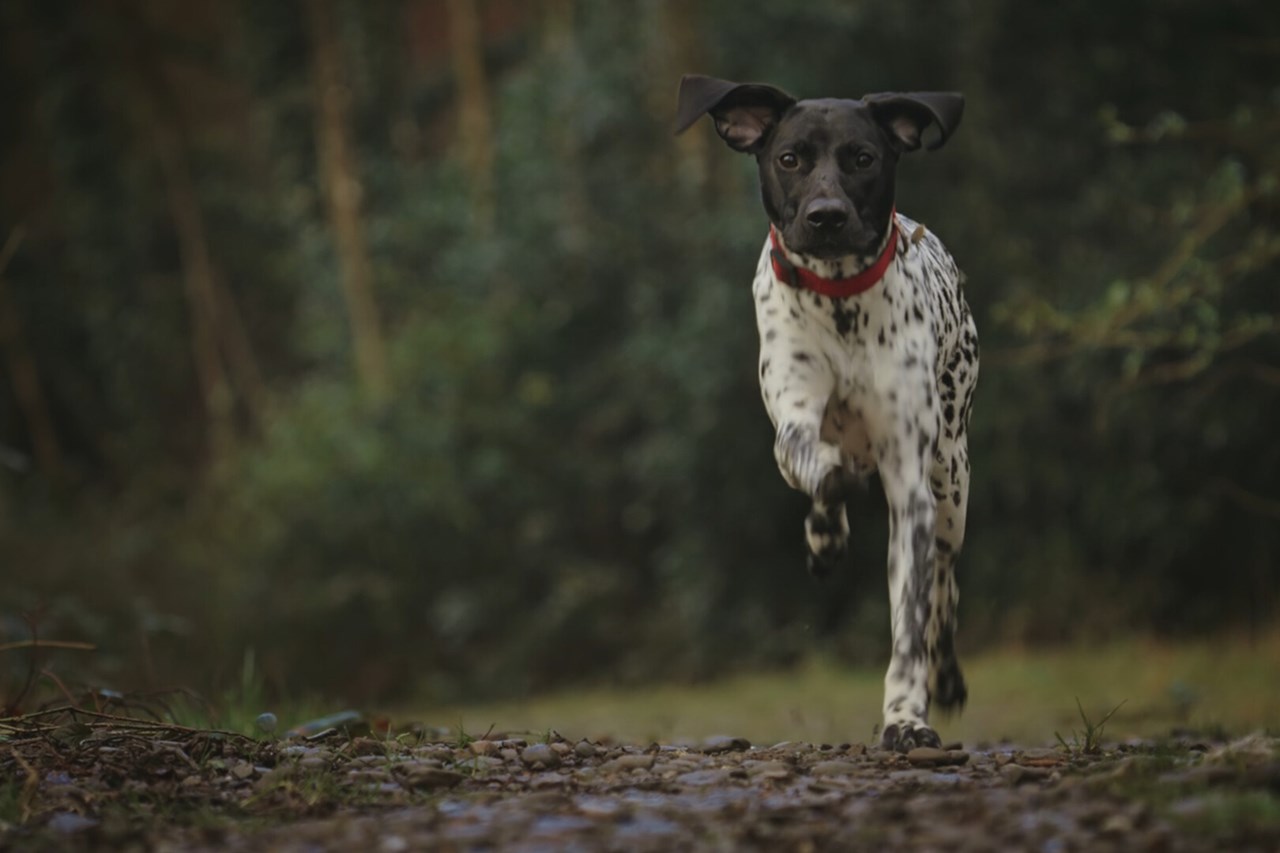
When we first met Lee, Cariad was only five months old, and he was just about to begin her training. The timing felt serendipitous. We had this wonderful opportunity to follow a young dog learning about the world and developing her incredible sense of smell in real time.
Natalie and I were interested in telling the story through Cariad's eyes, rather than simply making a film about detection dogs and how they work. There was something lovely about watching her curiosity and enthusiasm, with Neo there as the more experienced dog. Her journey gave us a natural narrative to follow, and we didn't have to manufacture anything. We just had to be patient enough to capture it.
Cariad is learning from Neo, the more experienced dog. How did you capture their relationship on camera, and were there any moments that surprised you?
We spent a lot of time working on shots that would help tell the story of Neo mentoring Cariad. Natalie and I were particularly keen to use focus pulls to draw the viewer's eye between them, almost as if we were watching Cariad learn from Neo. They were quite challenging shots that required patience from us and the dogs, but they worked beautifully. You get a real sense of how eager Cariad is to follow Neo and win his approval.
We also wanted their different personalities to come through. Cariad is full of energy and always seems ready for the next adventure, while Neo is much calmer and more measured. We tried to capture that in little moments, even something as simple as them jumping out of the car, with Cariad absolutely poised and raring to go.
 Credit: NClements and SJWalsh
Something Lee told us that really stuck with me was that Cariad's nose is actually more sensitive than Neo's. As she develops, she could become an even stronger detection dog than her mentor. There's something lovely about that idea: she's learning from Neo now, but one day she might surpass him.
You've worked on major natural history productions, including Planet Earth II and Our Planet. How did making an independent short film like The Detectorists differ from working on those larger productions?
A lot less money, for one! But also, complete creative freedom to make the film we wanted to make.
On a big production, there are lots of layers of oversight, from your series producer and executive producer through to the commissioner and broadcaster. That's part of making television at that scale, but it means you don't always get to tell a story exactly as you first imagined it.
With The Detectorists, it was all on Natalie and me. That was both exciting and terrifying. You have a vision you want to bring into the world, and you just have to work out how to make it happen and hope other people connect with it too.
It was a real creative partnership. We could experiment, follow our instincts, and make decisions together about how we wanted the story to feel. Natalie's cinematography was central to that vision. We wanted the film to feel immersive and almost magical, allowing the audience to experience the forest and river alongside the dogs.
We were also incredibly lucky to have the support of Gorilla Post Production, who generously helped us edit and finish the film to a really high standard. Directing and filming are only part of the process, and having that support made a huge difference in getting our vision over the line.
With your background in marine biology, how do you balance scientific accuracy with the need to tell an engaging, character-led story?
Having Lee as an ecologist, and working with the dogs he has trained himself, was a huge advantage.
The film was very deliberately shot with a scripted-narrative approach, even though everything we were capturing was real. We wanted to follow the dogs' journey and build a sense of discovery, rather than simply document Lee at work. It also meant we could film without distracting him while he was carrying out important ecological work.
For me, the character-led story and the science aren't competing priorities. The dogs draw you in, but they also give you a way into a much bigger story about the natural world. At its heart, the film is about Lee's long-term work studying otters on the River Ebbw, and the role his dogs play in that research. Hopefully, audiences come away having enjoyed spending time with Cariad and Neo, but also with a greater appreciation of the wildlife that depends on these rivers and the people working to understand and protect it.
What are you working on next? Are there other conservation stories or overlooked aspects of the natural world that you'd particularly like to explore through film?
I've just finished working on a major science documentary for the BBC and PBS NOVA called Evolution, where we used VFX to bring extinct species to life. That was a new skill for me and a really exciting project to work on.
Natalie and I are already discussing ideas for another film together. One of the great things about putting something out into the world is that it starts opening doors. People hear about what you've made, and new stories and opportunities come your way.
Natalie is brilliantly connected and always spotting interesting people, stories and opportunities. I love that we bring different strengths to our partnership. She has a fantastic eye for a story and for the visual possibilities, and I love working out how to shape those ingredients into a compelling narrative. We bounce ideas around, challenge each other and work out what the film could become together.
I'd love to keep exploring stories that reveal something unexpected about the natural world, particularly the people doing fascinating work that audiences might not otherwise encounter. The Detectorists was a lovely example of how a relatively small story, told with care and a shared creative vision, can open up a much bigger world.
About MY HERO International Film Festival
Now in its 22nd year, the MY HERO International Film Festival continues to celebrate both unsung and well-known heroes whose stories of resilience and hope inspire a global learning community. This unique festival unites professional and youth filmmakers who use their craft to drive positive change in the world.
Thanks to the generosity of our sponsors, prizes are awarded across multiple categories—including documentary, narrative, music video, animation, experimental, and more - recognizing outstanding work from elementary, middle school, high school, college, and professional filmmakers.
To view all of the 2025 award-winning films, go to: /films/winners2025
For more details about MY HERO's International Film Festival, please visit: myhero.com/FilmFestival
Page created on 10/30/2026 2:40:05 PM
Last edited 10/30/2026 3:04:25 PM