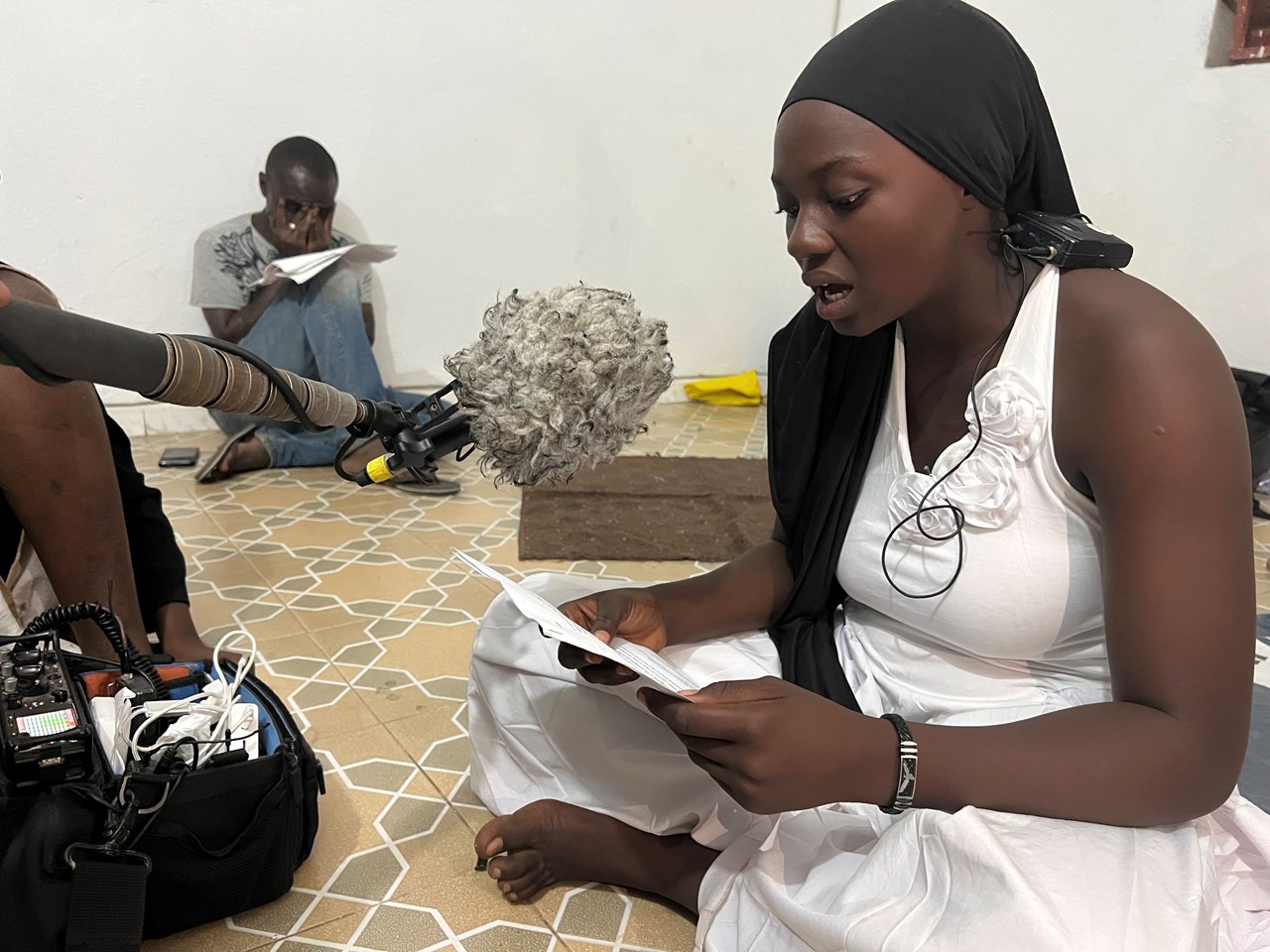
Directed by Sokna Biague, the film The Scientists of the Savana follows Doussou Diaby, a 15-year-old teenage schoolgirl living in the southeastern district of Saraya in the Kédougou region, who divides her daily life between her dreams as a schoolgirl and the weight of traditions. Despite material obstacles such as a lack of books or overcrowded classrooms, she draws strength from her determination to move forward. The story explores the contrast between the ambition of these teenage girls who dream of learning and going far, and the social pressure that predestines them from an early age to domestic chores and the role of a housewife. It is a touching testimony of perseverance in the face of an educational path fraught with obstacles.
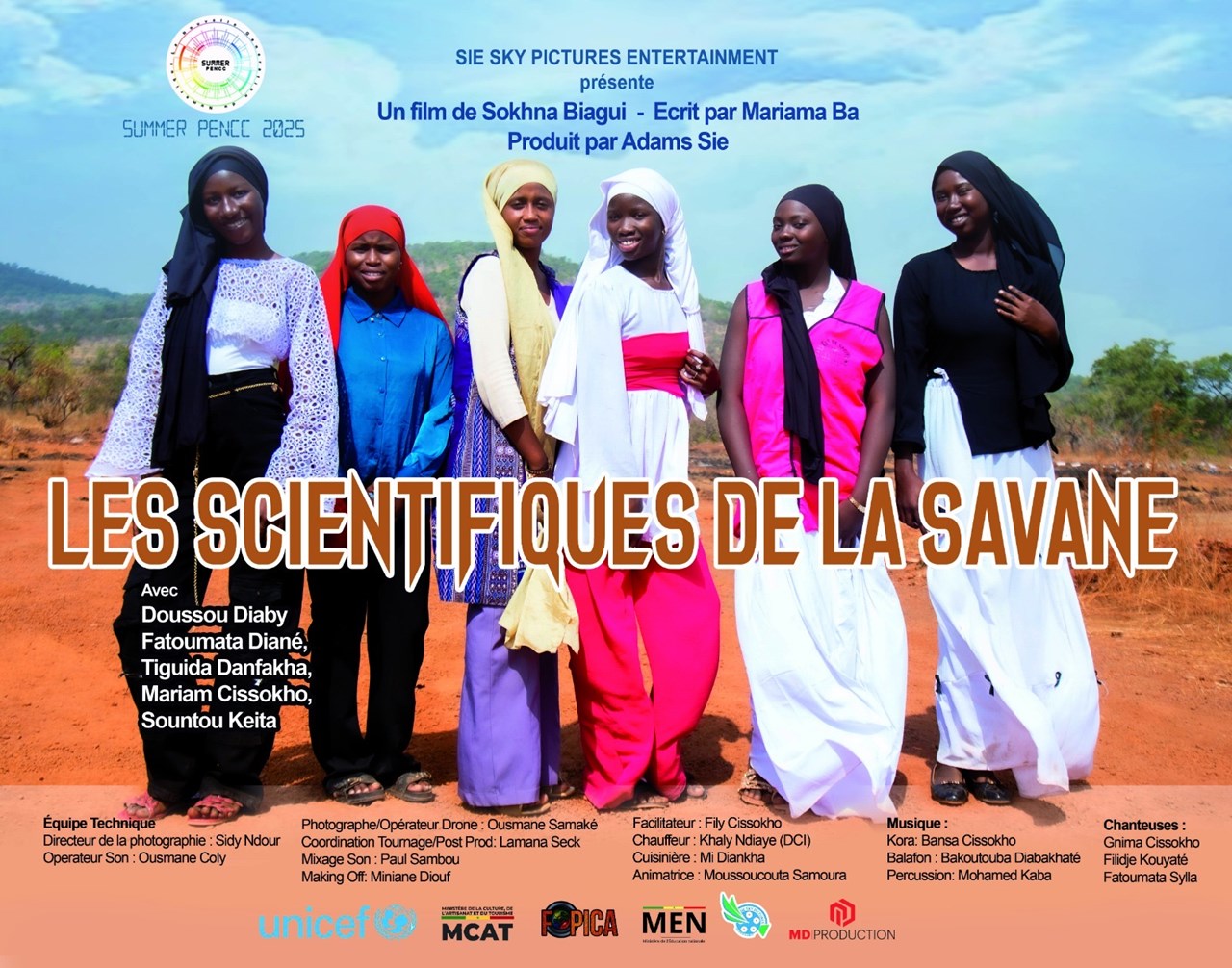 Scientists of the SavanaSie Sky Pictures Entertainment
About the Director
Sokhna was born in 2006 in Dalafing, a village in the Saraya department of Senegal's Kédougou region. She spent her early childhood in the city of Kédougou living with her aunt, where she began her formal education. After her aunt passed away, Sokhna returned to her home village. She now studies in the 10th grade at Saraya High School, where she shares an overcrowded classroom with the girls who inspire her work.
Sokna is a dedicated advocate for her community. She takes part in meetings with the Inspectorate of Education and Training and in discussions about women's rights and gender-based violence. She is especially concerned with the pressures that lead many girls in her district to leave school early, including early marriage and early pregnancy.
In 2025, encouraged by Uncle Adams, the mentor who believed the girls of Saraya had important stories to tell, Sokhna joined the Summer PENCC film and photography workshop. She began from zero, learning how to frame a shot, work a camera, direct, and tell a story through images, all with limited resources.
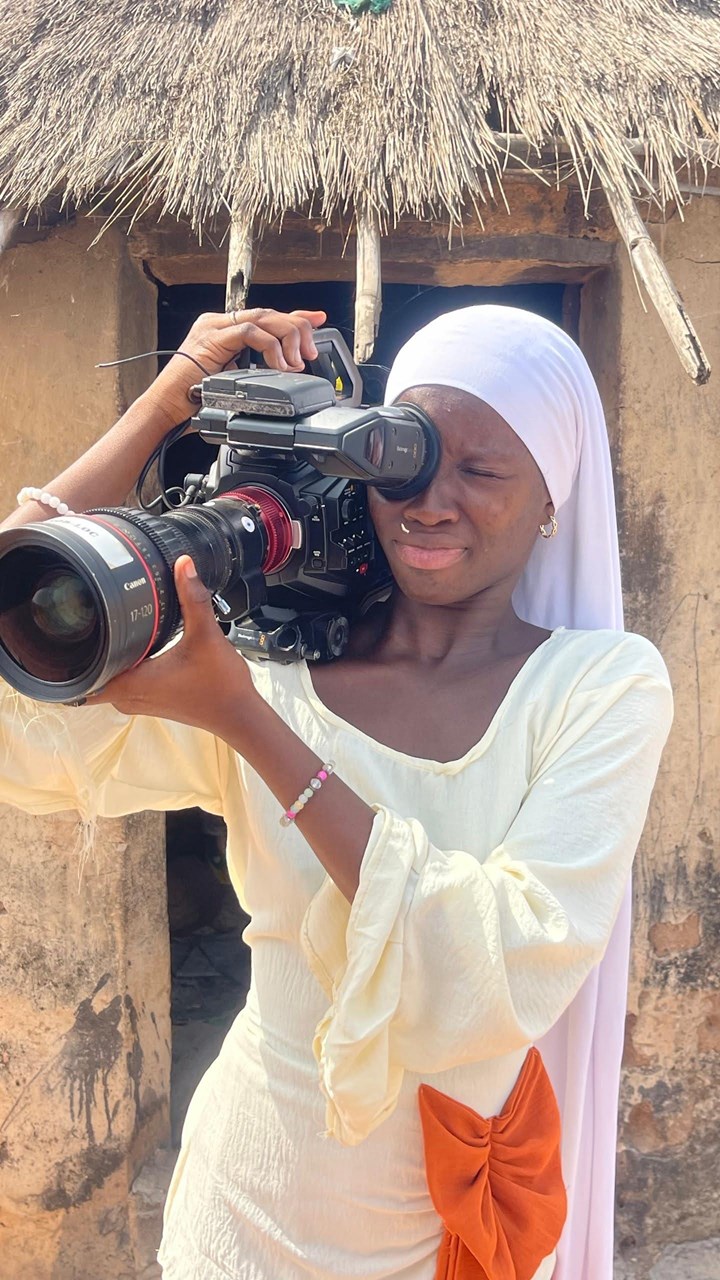 Sokna BiagueSie Sky Pictures Entertainment
Making the film meant speaking openly about subjects that remain sensitive in her community. Sokna explained her approach to parents and showed them that the film was not against their culture but a way to start a conversation about the future of their daughters. As people understood its message, they began to support the project.
MY HERO asked Sokna about the film, the challenges of making it, and what heroism means to her.
How did you first hear about the Summer PENCC workshop?
I first heard about it through Uncle Adams, our mentor. He told us about the opportunity and believed in us. He said it was a chance to learn how to tell our own stories, the stories of our community.
Thanks to him, I was able to take part in the workshop and make my film. I am very grateful for his trust and support, and for believing that we, the young girls of Saraya, also have important stories to tell.
What inspired the film, and why did you choose Doussou?
My inspiration comes from our own reality. In some families, traditions and old ways of thinking still lead people to believe that girls do not need to go far in school, or that their place is mainly at home and in the kitchen.
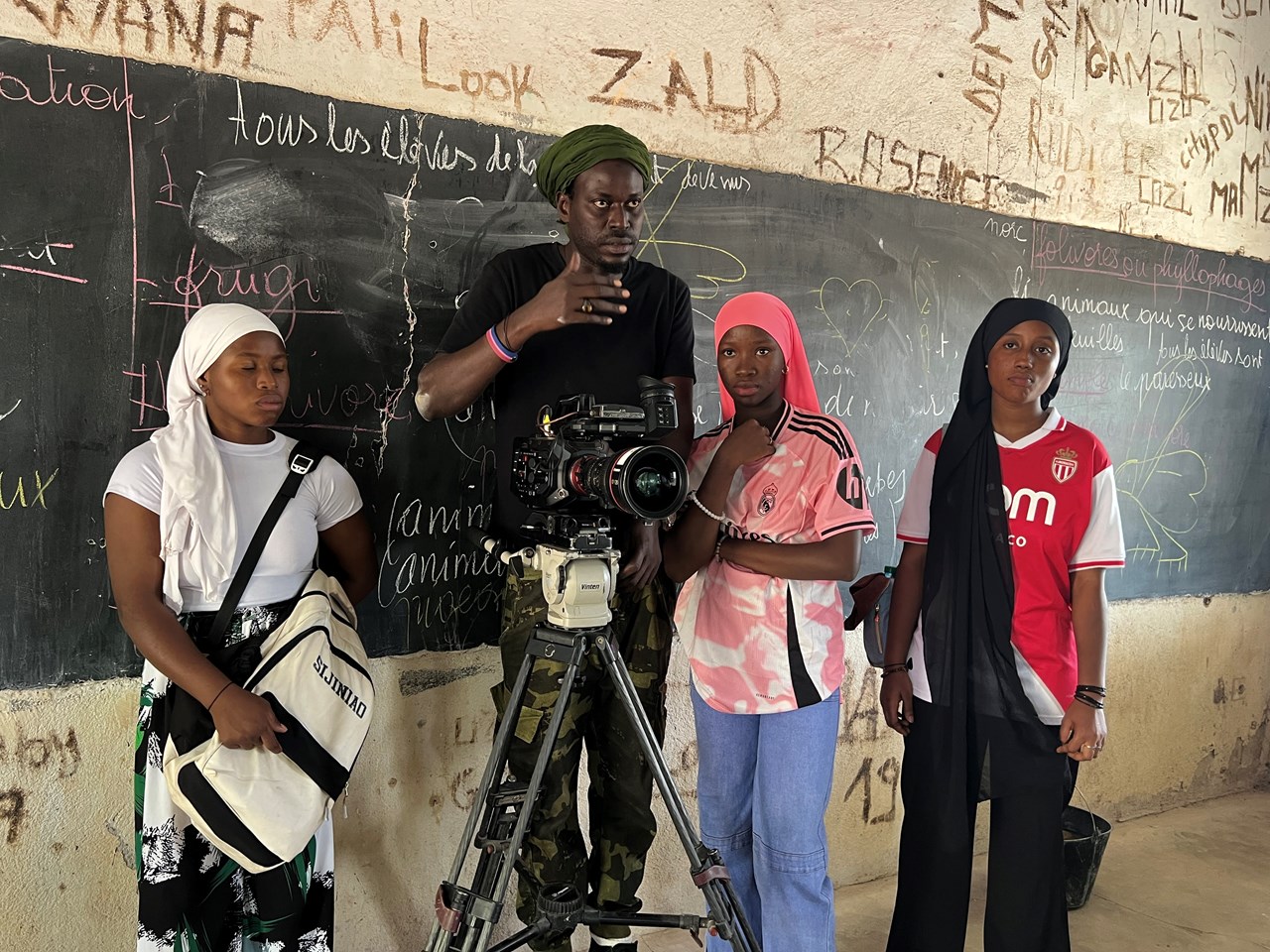 FilmingSie Sky Pictures Entertainment
I wanted to challenge this idea. The film talks about girls' education, but also about early pregnancy and early marriage, which can break girls' dreams and limit their future.
I chose Doussou because she represents many young girls in our community. Through her story, I want to show that a girl from the savana can dream big, pursue her education and become a scientist. She has the right to choose her own future.
What was the hardest part of making the film?
It was twofold. First, the technical learning. I was starting from zero. Learning how to frame a shot, direct, work with a camera and, above all, tell a story through images was a real challenge. I had to learn quickly, with limited resources.
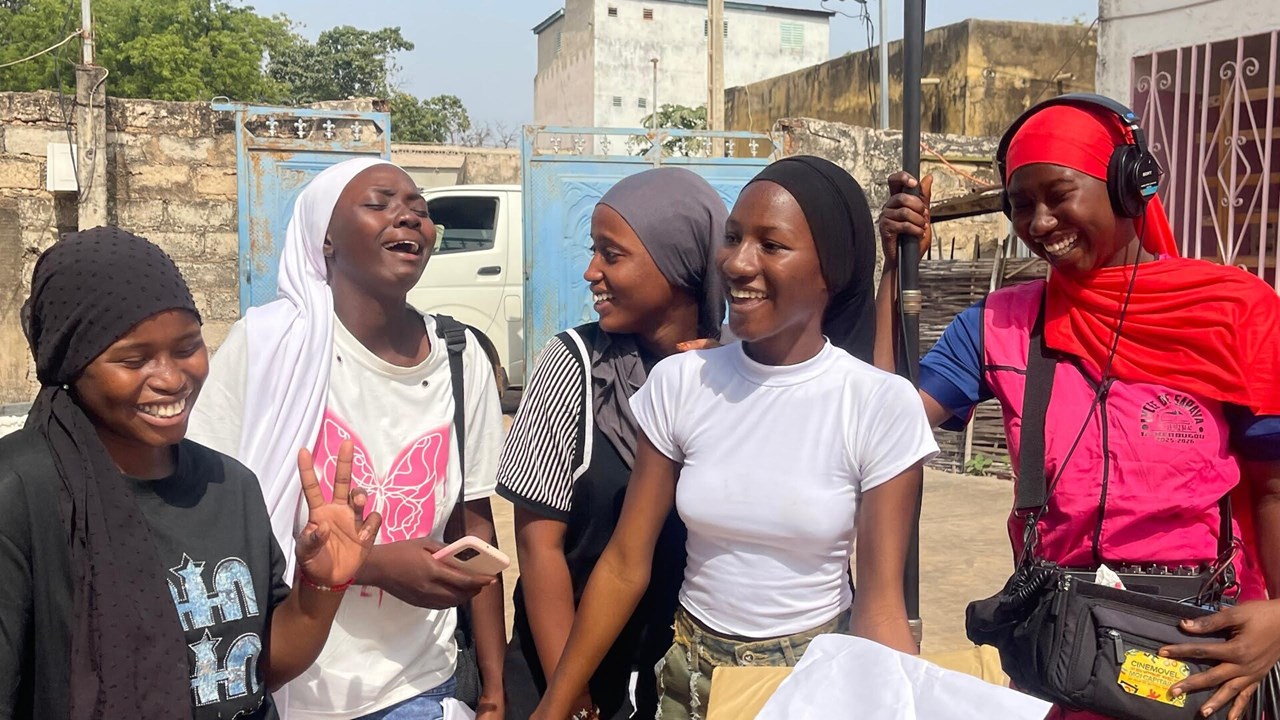 The TeamSie Sky Pictures Entertainment
Then came filming in my own community. It was not easy to speak openly about early pregnancy and early marriage, because these are still sensitive and sometimes taboo subjects. We had to explain our approach to parents and convince them that the film was not against our culture, but an attempt to open a discussion about the future of our girls.
When people understood the message, they began to support us. That support gave the film its strength.
What does being a hero mean to you now, compared with before the workshop?
Before, a heroine was someone distant. She was a woman I saw on television, with superpowers, who was afraid of nothing. I thought you had to be perfect.
Today I understand that the heroine can be us. Being a heroine means being a girl from the savana who says no to an early marriage in order to say yes to school. It means being a girl who, despite an early pregnancy, decides to continue her education. It means daring to dream of becoming a scientist, even when you are told your place is in the kitchen.
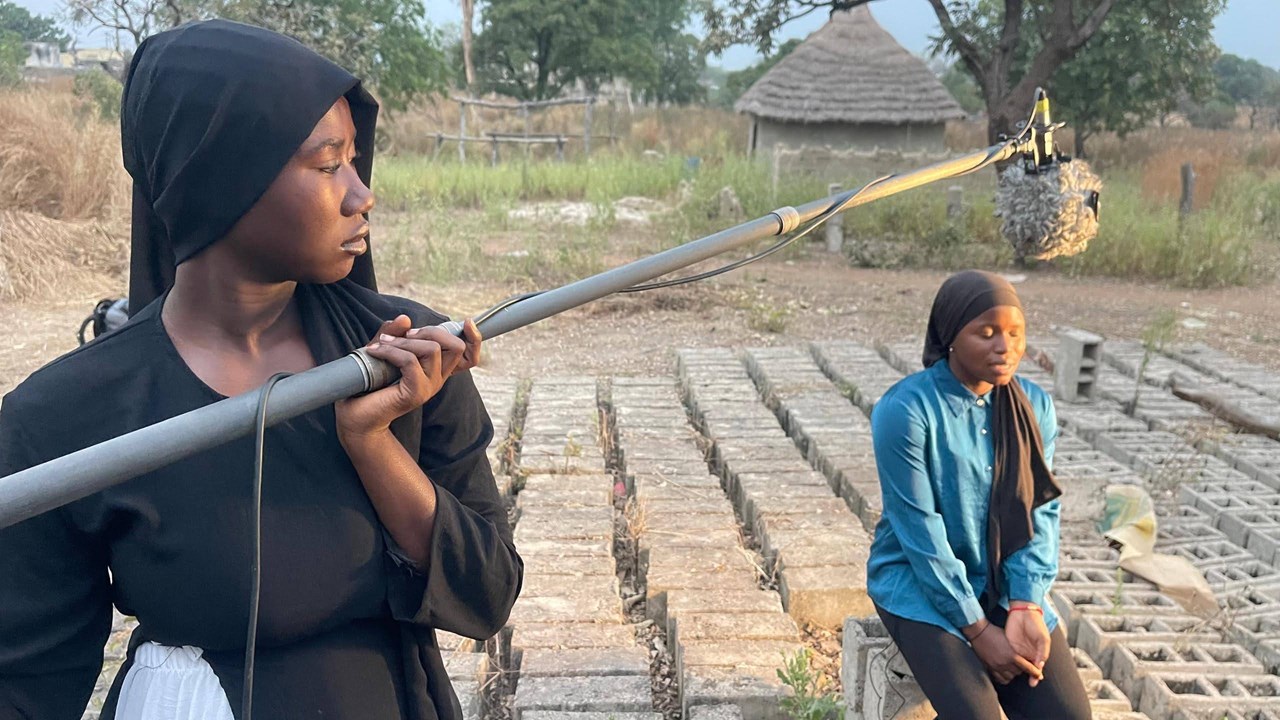 Sie Sky Pictures Entertainment
Before, the heroine was a myth to me. Today, the heroine is Doussou. She is my sister, my neighbour, my friend. She is every girl who has the courage to believe in herself and choose her own future.
What would you like to see built in your district for young women, and what do you hope audiences take from your film?
I would like to see more spaces where girls can learn, create and develop their talents. I dream of cultural and digital centres with books, computers, the internet and audiovisual equipment, and above all people who can guide them in their projects. I would also like girls to have more opportunities in science, technology, the arts and filmmaking without having to leave their region to discover their talents.
Summer PENCC showed me that a young girl from Saraya can pick up a camera, tell her story and be heard all the way in Los Angeles. I would like other girls to have the same opportunity.
Through the film, I hope audiences will understand that we should not decide for girls what they can become. A girl should be able to dream, study, create and choose her own future. If just one girl watches this film and says to herself, "I can become what I dream of becoming too," then our film will already have accomplished something important.
 Sie Sky Pictures Entertainment
Today, Sokna is driven by a desire to tell stories. She is also advocating for cultural and digital centers in her district, with books, computers, internet access, and audiovisual equipment, where young women can train in photography, storytelling, and film without having to leave their region. Her hope is that other girls from Saraya will have the same chance she did: to pick up a camera and be heard far beyond their village.
About MY HERO International Film Festival
Now in its 22nd year, the MY HERO International Film Festival continues to celebrate both unsung and well-known heroes whose stories of resilience and hope inspire a global learning community. This unique festival unites professional and youth filmmakers who use their craft to drive positive change in the world.
Thanks to the generosity of our sponsors, prizes are awarded across multiple categories—including documentary, narrative, music video, animation, experimental, and more - recognizing outstanding work from elementary, middle school, high school, college, and professional filmmakers.
To view all of the 2025 award-winning films, go to: /films/winners2025
For more details about MY HERO's International Film Festival, please visit: myhero.com/FilmFestival
Page created on 10/9/2026 11:38:57 AM
Last edited 10/10/2026 9:27:57 AM